

What's Happening?
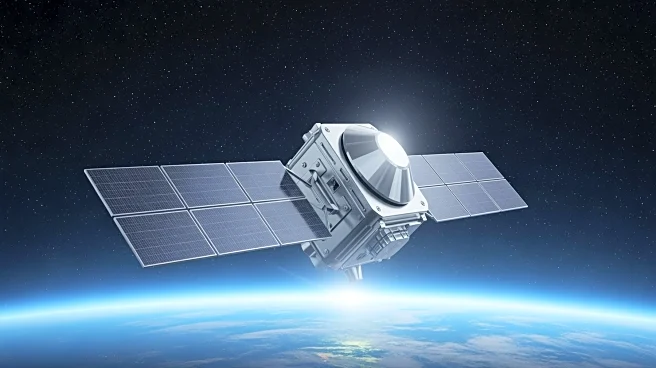
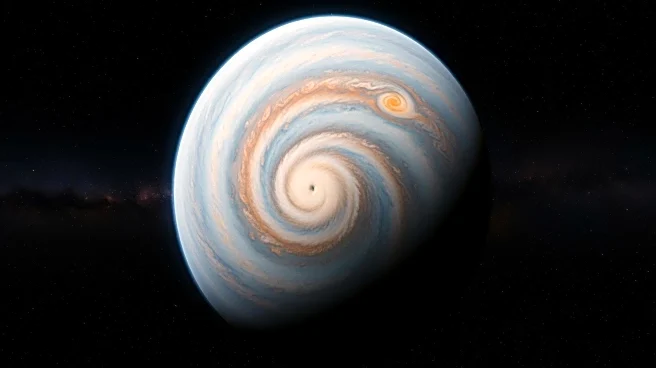
NASA's Pandora small satellite was successfully launched aboard a SpaceX Falcon 9 rocket from Vandenberg Space Force Base in California. The launch took place at 5:44 a.m. PST on January 11, 2026. Pandora is part of a mission to study the atmospheres
of at least 20 known exoplanets. The satellite aims to analyze the presence of hazes, clouds, and water in these distant planetary atmospheres. This mission is part of NASA's broader efforts to understand the composition and potential habitability of planets beyond our solar system.
Why It's Important?
The successful launch of Pandora marks a significant step in exoplanetary research. By studying the atmospheres of distant planets, scientists can gain insights into their potential to support life. This mission could enhance our understanding of planetary formation and atmospheric dynamics, contributing to the broader field of astrobiology. The data collected by Pandora may also inform future missions and the search for habitable worlds, potentially impacting scientific priorities and funding in space exploration.
What's Next?
Following its launch, Pandora will begin its year-long mission to observe and analyze the atmospheres of selected exoplanets. The findings from Pandora could lead to further missions aimed at more detailed studies of promising exoplanets. Additionally, the success of this mission may encourage increased collaboration between NASA and private space companies like SpaceX, potentially accelerating the pace of space exploration and research.