







What's Happening?
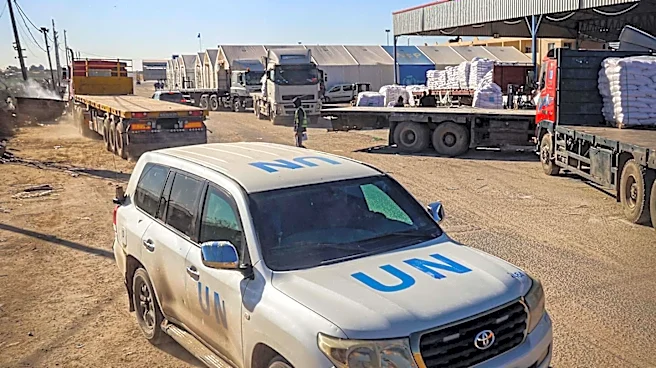
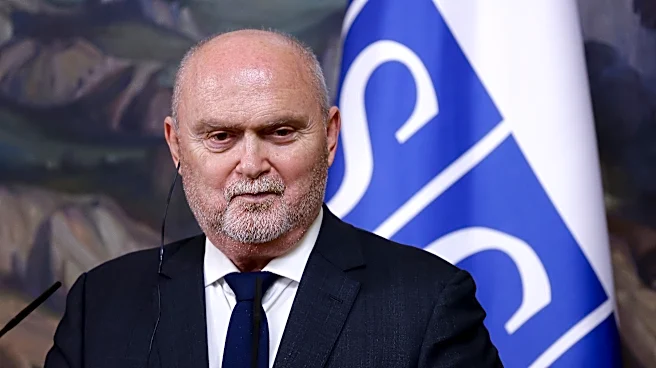
Mohammad el Shami, a Yemeni staff member of the UN Human Rights Office, has died while in Houthi custody after being arbitrarily detained for over two years. UN High Commissioner for Human Rights Volker Tuerk announced the death on Saturday, calling for a prompt,
independent, and thorough investigation into the circumstances. El Shami had been held by the Houthi militant group since June 6, 2024. His family was only recently informed of his death, more than a month after it occurred, and has not received an explanation for the cause or circumstances. Tuerk also demanded the immediate and unconditional release of all other UN personnel, including seven colleagues from his office, as well as humanitarian workers and civil society members currently held by the Houthis. Yemen's prime minister condemned the death, holding the Houthis fully responsible and calling for accountability. The Houthis have previously claimed that those detained were part of a spy network working for the United States and Israel, and have accused humanitarian organizations of using their work as cover for intelligence activities, without providing evidence.
Why It's Important?
The death of a UN staff member in Houthi custody raises significant concerns about human rights, international law, and the safety of humanitarian workers in conflict zones. This incident could further complicate efforts to deliver aid and mediate peace in Yemen, a country already grappling with a severe humanitarian crisis. The UN's demand for an independent investigation underscores the international community's commitment to accountability and transparency, which could put pressure on the Houthis to address their detention practices. For the United States, this event highlights the challenges of engaging with non-state actors like the Houthis, especially given the group's allegations of a 'US-Israeli spy network.' The continued detention of UN and humanitarian personnel could also impact diplomatic relations and the effectiveness of international aid operations, potentially exacerbating the suffering of the Yemeni population.
What's Next?
The UN Human Rights Office will likely continue to press for an independent investigation into Mohammad el Shami's death and the release of all detained personnel. International bodies and human rights organizations are expected to amplify calls for accountability and transparency from Houthi authorities. Diplomatic efforts may intensify to secure the release of the remaining detainees and ensure the safety of humanitarian workers in Yemen. The Houthis' response to these demands will be crucial, as it could influence future international engagement and aid flows to areas under their control. The Yemeni government, having condemned the death and called for accountability, will likely maintain pressure on the Houthis through international channels. The allegations of a 'US-Israeli spy network' by the Houthis could also lead to further scrutiny and potential diplomatic tensions.
Beyond the Headlines
This incident goes beyond a single death, touching upon the broader issue of impunity for actions against humanitarian and international staff in conflict zones. It highlights the precarious position of aid workers who often operate in highly volatile environments, facing risks from all parties to a conflict. The Houthis' unsubstantiated claims of espionage against UN and humanitarian organizations could be a tactic to delegitimize their work and control information, further isolating populations in need. This situation also underscores the ethical dilemma faced by international organizations: how to continue providing essential services while ensuring the safety of their staff and upholding human rights principles. The long-term implications could include a re-evaluation of security protocols for international staff in high-risk areas and a renewed focus on international legal frameworks protecting humanitarian workers.