





What's Happening?
Winston-Salem State University (WSSU) has been awarded a $749,700 grant from the National Park Service’s Historic Preservation Fund, specifically designated for historically Black colleges and universities. This funding will be used to renovate the S.G.
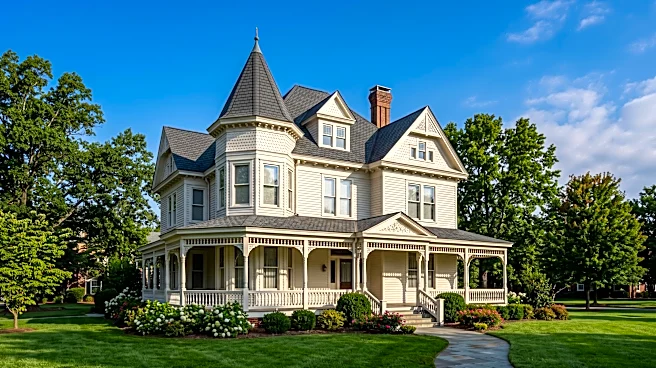
Atkins House, named after the university's founder and first president, Simon Green Atkins Jr. The house, built in 1893, was listed on the National Register of Historic Places in 1979. Renovation plans aim to address decades of weather-related deterioration, including damage to the siding, roof, windows, and porch framing. The project also encompasses roof replacement, window rehabilitation, selective interior renovations, and upgrades to HVAC and fire alarm systems. WSSU Chief Operating Officer Jeremy C. Alltop was the principal investigator and primary author of the grant application. The project aligns with Chancellor Bonita J. Brown’s 'We Are Rising 2030' strategic plan, focusing on responsible stewardship of physical resources and strengthening WSSU’s identity and community impact. The initiative still requires approvals from the WSSU Board of Trustees and UNC Board of Governors, along with preservation reviews, design work, and procurement processes before construction can commence.
Why It's Important?
The preservation of the S.G. Atkins House is significant for several reasons. Firstly, it honors the legacy of WSSU's founder, Simon Green Atkins Jr., and reinforces the university's historical roots. The house serves as a tangible link to the institution's origins and its role in the broader history of Winston-Salem. Secondly, the project demonstrates WSSU's commitment to responsible stewardship of its historic assets, ensuring that important cultural landmarks are maintained for future generations. This grant also highlights the importance of federal funding programs like the National Park Service’s Historic Preservation Fund in supporting the infrastructure and heritage of historically Black colleges and universities. The renovation will not only restore a significant building but also contribute to the university's strategic goals of enhancing its physical resources and community engagement. The successful acquisition of nearly $750,000 in external federal funding exemplifies the university's strategy to diversify funding through grants and partnerships, contributing to its operational strength and long-term sustainability.
What's Next?
The immediate next steps for the S.G. Atkins House preservation project involve securing necessary approvals from the WSSU Board of Trustees and the UNC Board of Governors. Following these approvals, the project will undergo preservation reviews, detailed design work, and a procurement process to select contractors and suppliers. A construction date will be set only after these preliminary stages are completed. WSSU officials will likely engage with preservation experts to ensure that the renovations maintain the historic character of the house while addressing structural and functional needs. The university will also continue to communicate with stakeholders, including alumni and the local community, about the progress of the project. This initiative is expected to serve as a model for future preservation efforts within the university and potentially inspire similar projects at other HBCUs seeking to maintain their historical properties.
Beyond the Headlines
Beyond the immediate restoration, the preservation of the S.G. Atkins House carries deeper implications for cultural heritage and institutional identity. This project underscores the ongoing effort to recognize and maintain the physical spaces that embody the narratives of historically Black colleges and universities, which are crucial to American history. The house is not merely a building but a symbol of WSSU's enduring mission and its founder's vision. Its restoration can serve as an educational tool, offering insights into the early days of the university and the broader context of African American education in the late 19th and early 20th centuries. Furthermore, by investing in its historical assets, WSSU reinforces its commitment to its foundational values while simultaneously building for the future, demonstrating how historical preservation can be integrated into modern strategic planning. This effort also highlights the critical role of federal grants in supporting the unique heritage of HBCUs, ensuring these institutions can continue to tell their stories and contribute to the national cultural landscape.