
What's Happening?
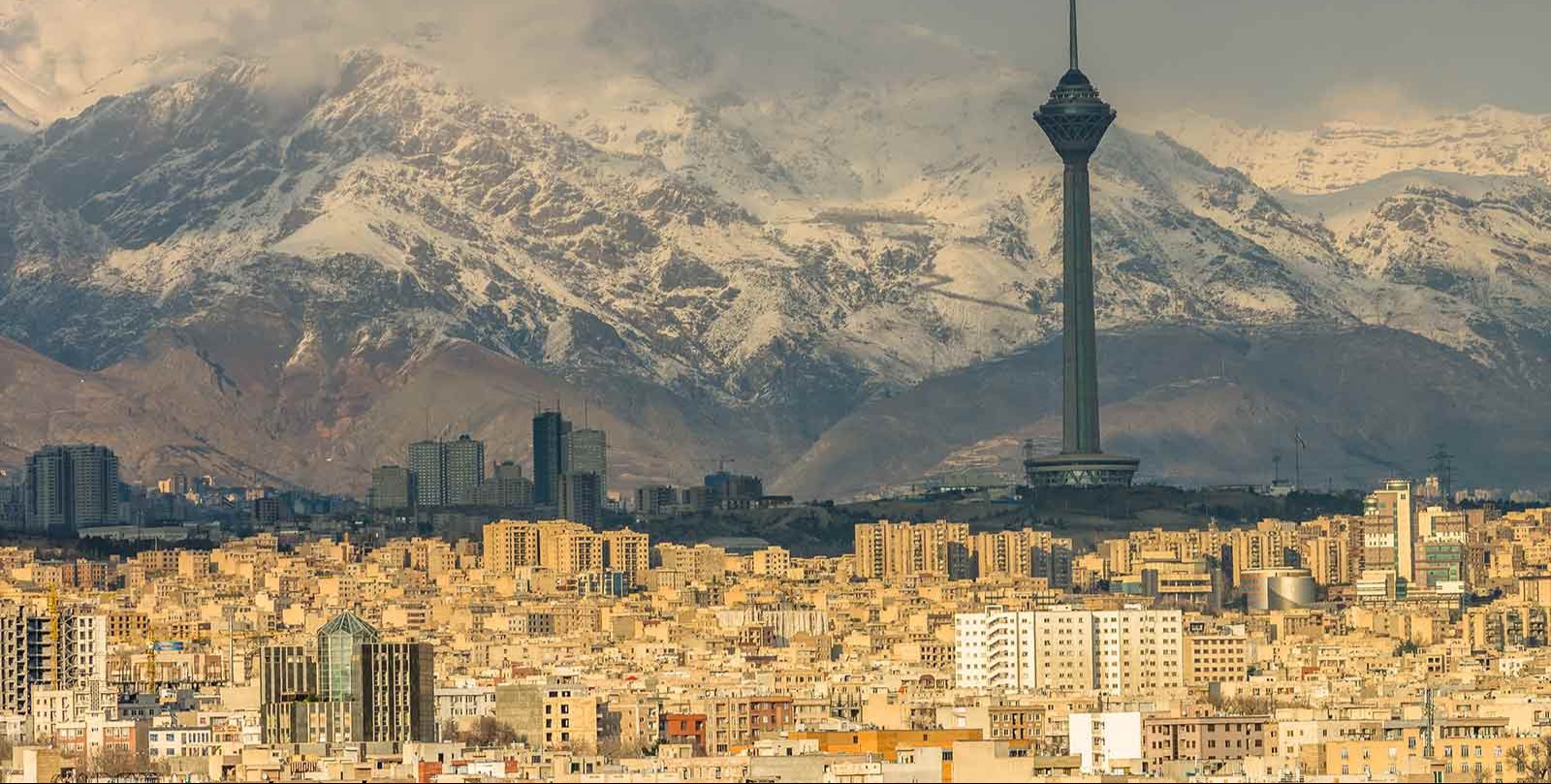
Iran is currently experiencing significant internal unrest due to its deteriorating economy, which has led to widespread protests and strikes across the nation. The demonstrations, which began in Tehran,
have spread nationwide, prompting President Masoud Pezhkian to urge the government to address the protesters' legitimate demands. Despite these internal challenges, Iran continues to issue threats against Israel, with Iranian Parliament Speaker Mohammad Bagher Ghalibaf asserting that Iran will defend itself without seeking permission from others. The Iranian military and the Islamic Revolutionary Guard Corps (IRGC) are reportedly enhancing their capabilities, raising concerns about potential future confrontations. State-linked news agencies have accused foreign media and Israel of attempting to destabilize the regime, although they claim the public remains indifferent to these alleged provocations.
Why It's Important?
The unrest in Iran is significant as it highlights the country's internal vulnerabilities amidst external pressures. The economic struggles and public dissatisfaction could weaken the regime's stability, potentially impacting its regional influence and military capabilities. For the U.S. and its allies, Iran's internal turmoil presents both a challenge and an opportunity. On one hand, a destabilized Iran could lead to unpredictable regional dynamics, affecting global oil markets and security. On the other hand, it might provide leverage in negotiations over Iran's nuclear program and regional activities. The situation also underscores the ongoing geopolitical tensions in the Middle East, with Israel and Iran remaining key adversaries. The potential for escalation could have far-reaching implications for regional security and international relations.
What's Next?
As the situation develops, the Iranian government may face increased pressure to address the economic grievances of its citizens to prevent further unrest. Internationally, the U.S. and its allies will likely continue to monitor Iran's actions closely, particularly regarding its military capabilities and nuclear ambitions. Diplomatic efforts may intensify to prevent further escalation, with potential negotiations aimed at easing sanctions in exchange for concessions on Iran's nuclear program. Meanwhile, Israel will remain vigilant, preparing for any potential threats from Iran or its proxies. The international community will need to balance pressure and engagement to address the multifaceted challenges posed by Iran's current situation.