


What's Happening?
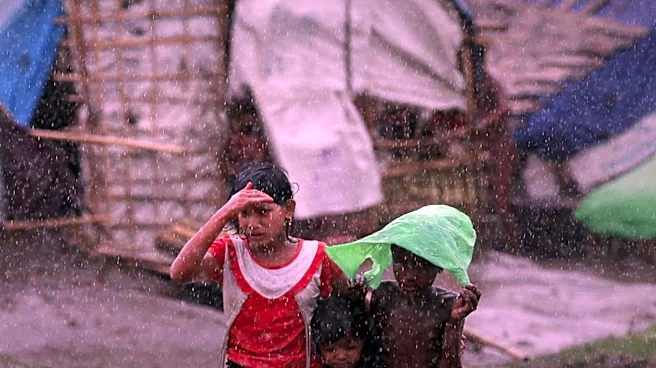
The United Nations High Commissioner for Refugees (UNHCR) has expressed alarm over the escalating displacement crisis in the central Sahel region, where the number of displaced individuals has reached nearly four million. This figure is more than double
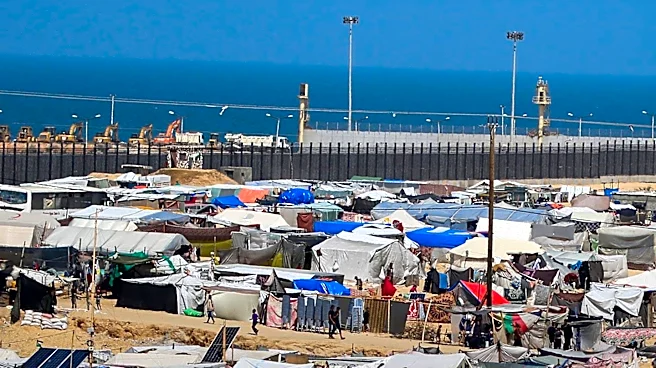
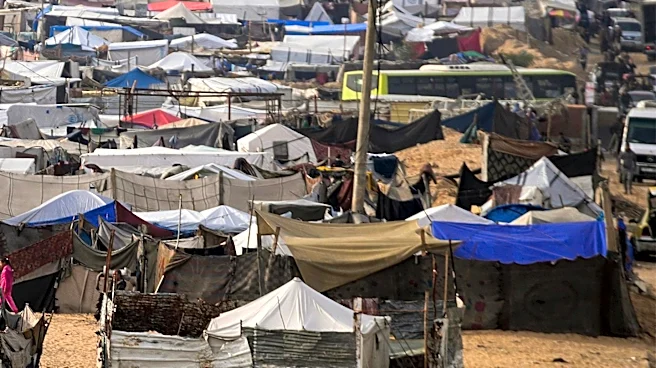
that of six years ago and includes 818,000 refugees and asylum seekers. The crisis is exacerbated by continued attacks on civilians, climate-related shocks, and severe humanitarian funding shortfalls. The UNHCR has only received 27 percent of the necessary funding to cover its operations in the Sahel. The influx of displaced people is placing immense pressure on already limited land and water resources, and overwhelming health services in host communities. The crisis is also spreading beyond the central Sahel into coastal West African nations such as Benin, Côte d'Ivoire, Ghana, and Togo, with hundreds of thousands seeking refuge there. This situation is leading to further movements within and beyond the region, eroding livelihoods, and limiting opportunities for displaced people to rebuild their lives.
Why It's Important?
This escalating crisis in the central Sahel has significant humanitarian and geopolitical implications. The severe funding shortfall for UNHCR's operations means that essential aid and services for millions of displaced people are critically under-resourced, leading to increased vulnerability and suffering. The strain on host communities, where refugee numbers are nearly equal to the local population, can destabilize regions, potentially leading to increased competition for resources and social tensions. The spread of displacement to coastal West Africa indicates a widening regional instability, which could impact international security and migration patterns. The receding international attention on this crisis, despite its growing severity, risks further marginalizing affected populations and hindering effective, coordinated responses. This situation underscores the urgent need for sustained international engagement and funding to prevent a deeper humanitarian catastrophe and mitigate broader regional destabilization.
What's Next?
The immediate future for the central Sahel region will likely see continued displacement and increased humanitarian needs if funding shortfalls persist. The UNHCR will continue to appeal for international support to address the severe gap in its operational budget. Without adequate resources, the pressure on host communities will intensify, potentially leading to further social and economic instability. The ongoing attacks on civilians and climate-related shocks suggest that the drivers of displacement will remain active, necessitating long-term strategies for peacebuilding, climate resilience, and sustainable development. International bodies and donor countries will face continued calls to re-engage with the crisis, not only through financial aid but also through diplomatic efforts to address the root causes of conflict and instability in the region. The expansion of the crisis to coastal West Africa may prompt regional organizations to enhance their collaborative efforts in managing displacement and providing assistance.
Beyond the Headlines
The crisis in the central Sahel highlights a deeper issue of global responsibility and the interconnectedness of humanitarian, environmental, and security challenges. The receding international attention, despite the doubling of displaced persons, points to a potential 'donor fatigue' or a prioritization of other global crises, leaving vulnerable populations in the Sahel increasingly isolated. This neglect can have long-term consequences, including the radicalization of desperate populations, increased human trafficking, and the erosion of international humanitarian norms. The environmental dimension, with climate-related shocks contributing to displacement, underscores the need for integrated approaches that link humanitarian aid with climate adaptation and mitigation strategies. Furthermore, the strain on public services in affected countries, coupled with weak governance, can undermine state capacity and foster environments ripe for further instability, creating a cycle of displacement and conflict that is difficult to break without sustained, comprehensive international engagement.