




What's Happening?
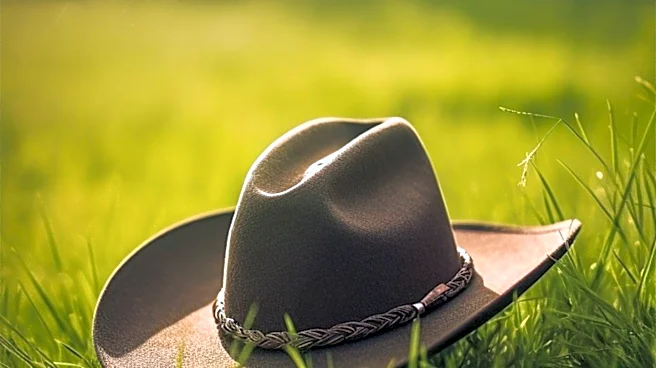
Cowboy hat etiquette dictates specific moments when the hat should be removed, particularly during national anthems, church services, funerals, and at the dinner table. While a 'brim-touch' (pinching the front edge and tilting it slightly) is acceptable
for casual greetings, full removal signifies deeper respect. This tradition is rooted in historical customs where removing headwear indicated submission or respect in formal settings. The U.S. Code's provisions on patriotic observance reinforce the expectation that headwear is removed during national anthems and moments of national reflection, integrating this norm into existing hat customs. The rigidity of these rules has softened over time as western hats have transitioned from practical necessity to fashion statements, but the core gestures of respect remain.
Why It's Important?
The adherence to cowboy hat etiquette, especially during national anthems, reflects a broader cultural understanding of respect and civic tradition in the United States. These customs are not merely about fashion but symbolize attention and reverence during significant national and social events. For individuals, understanding and following these rules demonstrates an awareness of social norms and respect for shared cultural values. For businesses and event organizers, recognizing and accommodating these traditions can enhance the experience for attendees and maintain a respectful atmosphere. The evolution of these customs also highlights the dynamic nature of cultural practices, where historical roots blend with contemporary flexibility, impacting how individuals express patriotism and social deference.
What's Next?
The ongoing evolution of cowboy hat etiquette suggests a continued balance between traditional respect and modern flexibility. While the core moments for hat removal, such as during national anthems, are likely to remain, the interpretation and application of these rules may become more nuanced. Individuals will continue to navigate these customs by 'reading the room' and adapting to specific social contexts, such as cowboy churches where hats may remain on. The emphasis will likely shift further towards the sentiment behind the gesture rather than strict adherence to rigid rules, especially as western wear continues to be a blend of heritage and personal expression. This adaptability will ensure the longevity of these traditions while allowing for individual comfort and contemporary social dynamics.
Beyond the Headlines
The etiquette surrounding cowboy hats extends beyond simple rules of conduct; it delves into the ethical and cultural dimensions of respect, identity, and tradition in American society. The act of removing a hat during a national anthem is a non-verbal communication of patriotism and unity, connecting individuals to a collective consciousness. This practice underscores the importance of symbols and rituals in maintaining social cohesion and transmitting cultural values across generations. Furthermore, the distinction between formal and casual hat-wearing, and the regional variations in etiquette, highlight the diverse cultural tapestry within the U.S. It reflects how local customs can shape broader national traditions, offering insights into the interplay between individual expression and communal expectations. The continued relevance of these traditions in a modern context speaks to the enduring power of cultural heritage.