




What's Happening?
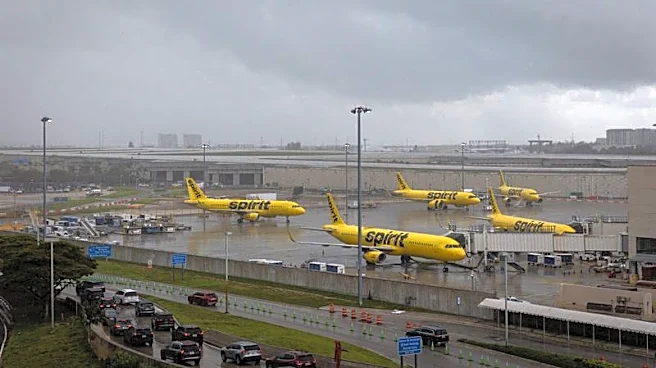
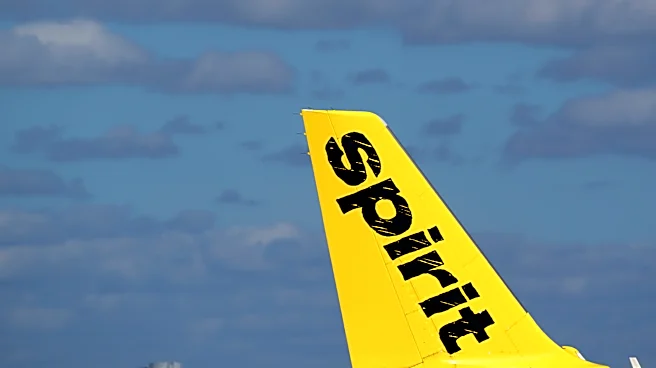
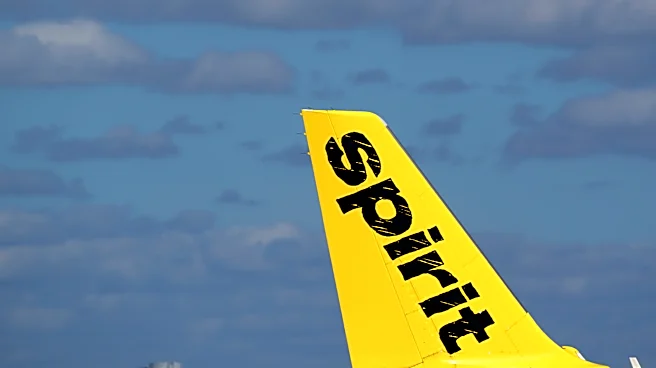
The Trump administration is contemplating the use of the Defense Production Act to facilitate a bailout for Spirit Aviation Holdings Inc., a budget airline currently undergoing Chapter 11 restructuring. This 1950 law, originally intended for national
defense purposes, grants the U.S. president broad powers to direct the production of goods and services critical to national security. The potential application of this statute to a commercial airline like Spirit, which primarily serves domestic routes, could face significant legal and political scrutiny. The administration's interest in supporting Spirit Airlines comes as the company navigates bankruptcy proceedings, exacerbated by rising jet fuel prices due to the Iran war. Spirit had been on track to exit bankruptcy after negotiating a debt reduction plan with creditors. The administration is reportedly considering a financial package that could provide up to $500 million in exchange for warrants to purchase a significant stake in Spirit post-bankruptcy.
Why It's Important?
The potential invocation of the Defense Production Act for a commercial airline bailout highlights the Trump administration's willingness to use emergency powers in unconventional ways. This move could set a precedent for future government interventions in private sector financial struggles, particularly in industries deemed critical to national infrastructure or economic stability. The decision could impact the airline industry by providing a lifeline to Spirit Airlines, preserving jobs, and maintaining service routes. However, it also raises questions about the appropriate use of national defense laws for commercial purposes, potentially leading to legal challenges and political debate. The outcome of this decision could influence future policy on government bailouts and the criteria for invoking emergency powers.
What's Next?
If the Trump administration proceeds with the bailout, it will need to justify the national security rationale for using the Defense Production Act. This could involve outlining the strategic importance of maintaining Spirit Airlines' operations. The administration may face opposition from lawmakers and industry stakeholders who question the appropriateness of this intervention. Additionally, the terms of the financial package, including the potential government stake in Spirit, will be closely scrutinized. The decision could prompt discussions on the broader implications of using defense-related powers for economic interventions, potentially influencing future legislative or executive actions.