






What's Happening?
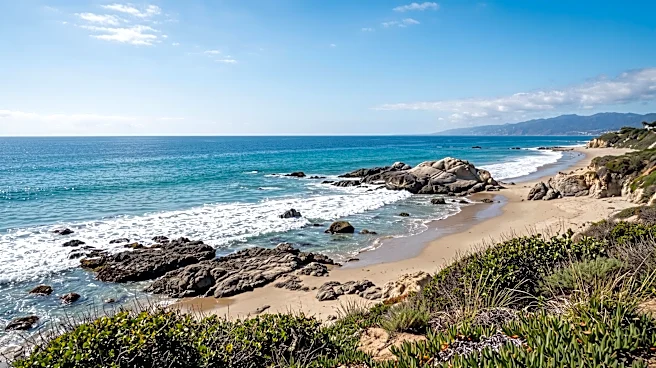
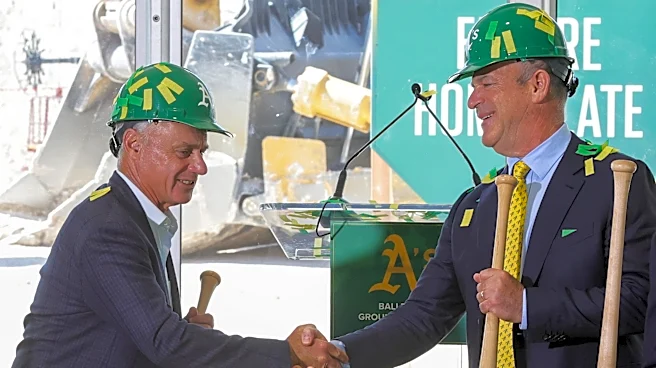
Billionaire businessman Mark Attanasio, owner of the Milwaukee Brewers baseball team, has agreed to donate a $2 million beachfront property for public use in Malibu, California. This agreement follows allegations that his construction team illegally excavated
sand from Broad Beach and transported it to his nearby property during development work in 2024. An investigation by the California Coastal Commission found that the unauthorized excavation damaged sensitive coastal habitats and partially obstructed public beach access. Instead of a conventional financial penalty, Attanasio will transfer a 5,135-square-foot oceanfront parcel near Big Rock Beach, which has 70 feet of beachfront frontage, to a public agency. The settlement also requires Attanasio to return the excavated sand and restore the affected coastal habitat, which included a large hole in the rocky intertidal zone vital for marine species.
Why It's Important?
This settlement is significant for public access to California's highly privatized coastline, particularly in exclusive areas like Malibu. The donation of a $2 million beachfront property creates a rare new access point, addressing a long-standing challenge of limited public entry along eastern Malibu. The California Coastal Commission's enforcement action underscores the importance of environmental protection and adherence to coastal regulations, even for wealthy property owners. The restoration of the damaged rocky intertidal zone highlights efforts to preserve critical marine habitats. This case sets a precedent for how environmental disputes involving high-profile individuals and coastal development can be resolved, potentially encouraging similar resolutions that prioritize public benefit and ecological restoration over punitive fines alone.
What's Next?
Attanasio is currently under contract to purchase the designated property and will transfer it to a public agency once the sale is finalized. Specific plans for the recreational use of the donated land have not yet been determined. The return of the excavated sand and the restoration of the damaged coastal habitat are also part of the agreement and will proceed. This development could inspire further initiatives to increase public access along California's coast, especially in areas where private ownership has historically restricted it. The California Coastal Commission will likely monitor the fulfillment of these terms to ensure compliance and the successful establishment of the new public access point.
Beyond the Headlines
The dispute and its resolution highlight the ongoing tension between private property rights and public access along California's valuable coastline, a recurring theme in environmental and land-use policy. Malibu's Broad Beach has faced years of erosion, making shoreline preservation and public access critical concerns. Previous efforts, such as a $31 million restoration project in 2015 involving other celebrity residents, underscore the continuous need for proactive measures. This case also brings to light the ethical responsibilities of developers and property owners in maintaining ecological balance and respecting public resources, even during private construction projects. The outcome could influence future coastal development regulations and enforcement strategies, emphasizing community benefit and environmental stewardship.