






What's Happening?
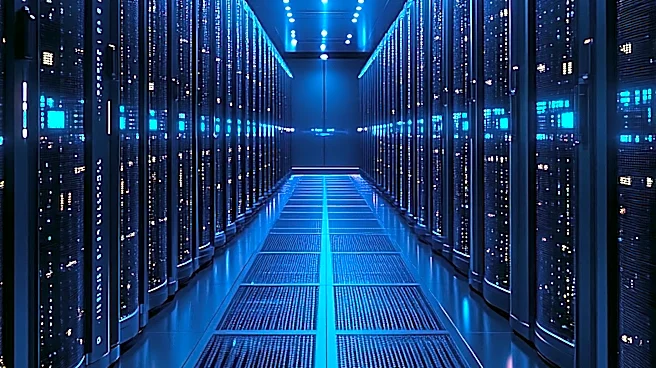
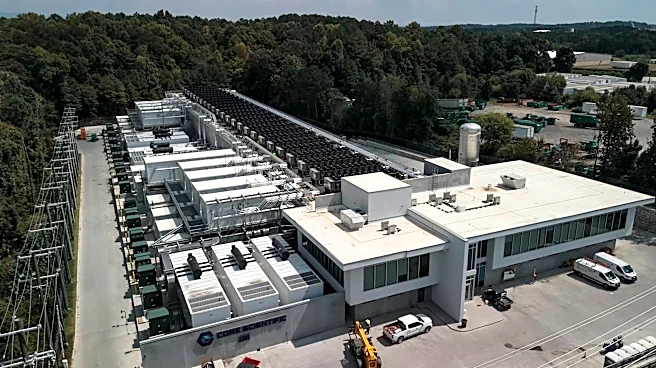
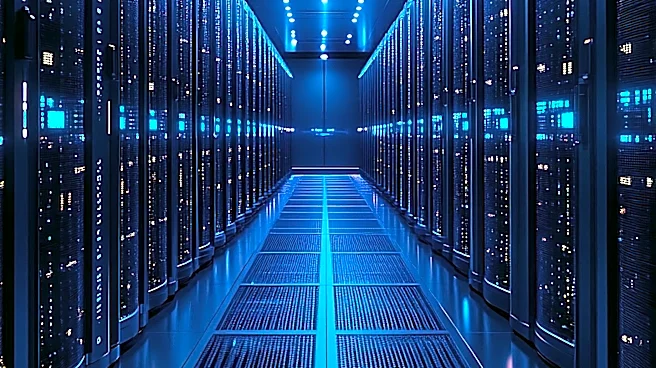
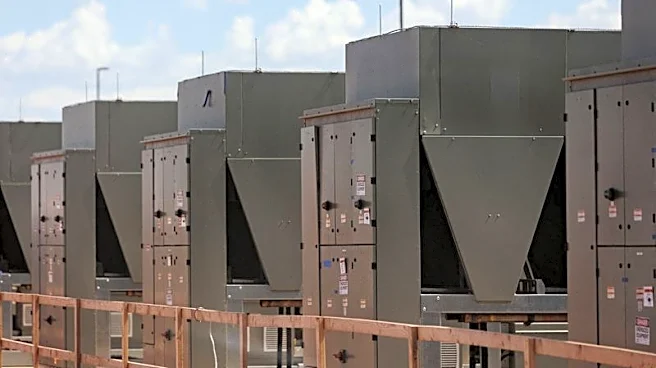
A new study cited by The Guardian reveals that the rapid expansion of hyperscale data centers in the United States is generating carbon emissions equivalent to Denmark's entire annual output. These 403 large data centers, primarily used for artificial
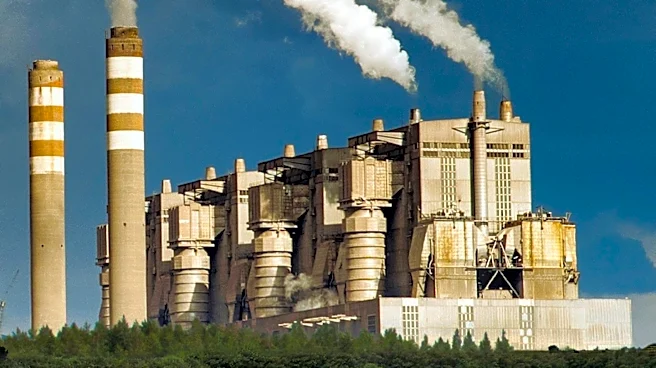
intelligence (AI) operations, are responsible for approximately 25.7 million tonnes of carbon dioxide (CO2). The Associated Press further reports that over half of the 82 terawatt-hours of electricity consumed by these data centers between April 2024 and April 2025 originated from fossil fuels. The Hill notes that during this period, data centers accounted for about 1.8% of total U.S. electricity consumption. Researchers excluded 272 sites from their analysis due to data limitations, as reported by Heated. Former Vice President Al Gore has warned that passing legislation to accelerate gas projects and data center development would be a 'serious mistake,' while The New York Times is examining a bill aimed at speeding up federal environmental reviews.
Why It's Important?
The significant carbon footprint of U.S. data centers highlights a growing environmental challenge driven by the increasing demand for AI and digital services. This issue has substantial implications for national climate goals and energy policy. The reliance on fossil fuels for over half of these facilities' electricity consumption directly counteracts efforts to decarbonize the energy sector and reduce greenhouse gas emissions. The rapid buildout of these energy-intensive operations could strain existing power grids and necessitate further investment in energy infrastructure, potentially locking in more fossil fuel use if renewable energy sources are not prioritized. The debate around speeding up federal environmental reviews for such projects underscores a tension between technological advancement and environmental protection, impacting public policy decisions and the nation's commitment to combating climate change. Stakeholders include environmental groups, technology companies, energy providers, and policymakers, all of whom face pressure to balance economic growth with ecological responsibility.
What's Next?
The findings of this study are likely to intensify scrutiny on the energy consumption and environmental impact of the technology sector, particularly AI. Policymakers may face increased pressure to implement regulations or incentives that promote renewable energy sources for data centers and improve energy efficiency standards. The ongoing legislative discussions regarding federal environmental reviews could see renewed debate, with environmental advocates pushing for more stringent oversight and industry groups seeking streamlined processes. Technology companies operating these data centers may need to accelerate their commitments to carbon neutrality and invest more heavily in sustainable energy solutions. Furthermore, the U.S. energy department's recent action to keep a Michigan coal plant open, despite a court order, suggests a complex and sometimes contradictory energy landscape that will influence how data center energy demands are met in the future. The proposal from PJM Interconnection to expedite power plant and data center connections indicates a push to accommodate this growth, raising questions about the energy mix that will support it.
Beyond the Headlines
The surge in data center energy consumption points to a broader societal challenge: the hidden environmental costs of the digital age. As AI and other advanced technologies become more integrated into daily life, the demand for computational power, and consequently electricity, will continue to rise. This trend raises ethical questions about the sustainability of technological progress and the responsibility of tech giants to mitigate their environmental impact. Legally, there may be increasing calls for stricter environmental impact assessments for large-scale data center developments and potentially new regulatory frameworks to govern their energy sourcing. Culturally, there could be a growing public awareness and demand for 'green tech,' pushing consumers and businesses to favor services and products from companies with demonstrable commitments to sustainability. This development could also accelerate innovation in energy-efficient computing and renewable energy storage solutions, as the industry seeks to reconcile its growth with environmental imperatives.