






What's Happening?
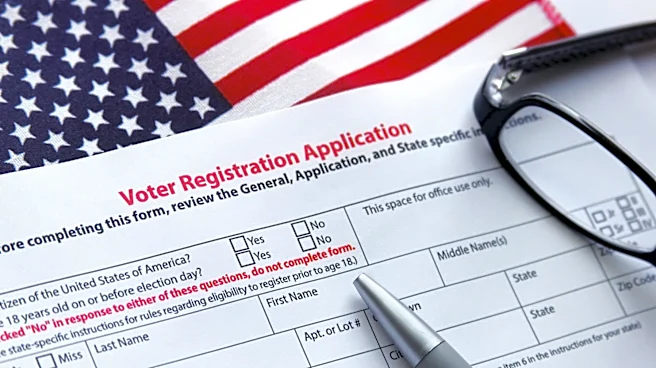
Ohio is preparing for early voting, which begins on October 6, with a significant ballot measure, Issue 3, proposing to enshrine a voter ID requirement in the state constitution. While Ohio law already mandates voters to provide identification, proponents
of Issue 3 argue that a constitutional amendment is necessary to prevent future general assemblies from altering the law. This move is seen by some as a way to solidify voter ID requirements, ensuring their permanence. Early voting in Ohio will allow citizens to cast ballots in advance, either by mail or in person. Absentee ballots will begin to be mailed out on October 6, with a deadline of October 27 for applications. In-person early voting will also commence on October 6 at designated county locations. The ballot for the upcoming election includes races for governor, attorney general, secretary of state, auditor, and treasurer, as well as a U.S. Senate seat and all 99 seats in the Ohio House of Representatives. The Ohio Redistricting Commission recently redrew several congressional districts, impacting the competitiveness of some races.
Why It's Important?
Issue 3 in Ohio carries significant implications for the state's electoral process and voter rights. By embedding voter ID requirements into the state constitution, it would make these provisions much harder to change in the future, effectively locking in a specific approach to election security. Proponents believe this will enhance the integrity of elections and prevent voter fraud, while critics argue that it is an unnecessary measure that could disenfranchise eligible voters, particularly those who may have difficulty obtaining the required identification. The debate also touches on the appropriate scope of a state constitution, with some arguing that such detailed policy should not be enshrined at that level. The outcome of Issue 3 will not only affect voter access in Ohio but could also influence other states considering similar constitutional amendments for election laws. The measure's passage could also be interpreted as a victory for those advocating for stricter election security nationwide.
What's Next?
With early voting set to begin on October 6, Ohioans will soon have the opportunity to cast their ballots, including on Issue 3. The campaign surrounding Issue 3 is expected to intensify as Election Day approaches, with both proponents and opponents mobilizing to sway public opinion. If Issue 3 passes, the voter ID requirements will become a permanent fixture in Ohio's constitution, making them resistant to legislative changes. If it fails, the existing statutory voter ID laws will remain in place, but the debate over their long-term stability and potential for future modification will likely continue. Regardless of the outcome, the election itself will determine key state and federal offices, with the redrawn congressional districts adding an element of unpredictability to several races. The results in Ohio will be closely watched as an indicator of voter sentiment on election integrity and the balance between security and access.
Beyond the Headlines
The discussion around Issue 3 in Ohio reflects a broader national tension regarding the balance between election security and voter access. While proponents emphasize preventing voter fraud, critics highlight the potential for disenfranchisement, particularly among vulnerable populations. The act of enshrining voter ID in the constitution raises questions about the flexibility of election laws and the ability of future generations to adapt to changing societal needs. This move could be seen as a response to a perceived crisis of confidence in elections, even if evidence of widespread fraud is limited. The long-term implications include the potential for increased partisan polarization over election administration, as well as ongoing legal challenges to voter ID laws. The debate also underscores the importance of civic education and ensuring that all eligible citizens understand the requirements for voting, regardless of the specific laws in place.