




What's Happening?
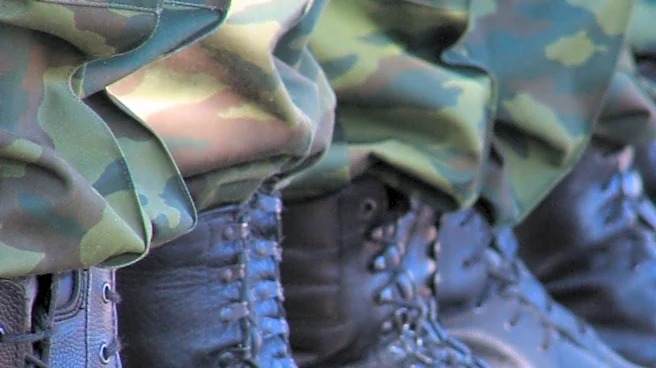
The Israel Defense Forces (IDF) has extended a nationwide anonymous amnesty program for the return of military equipment until November 16. This initiative, launched on November 1, allows individuals to return weapons and military items without fear of identification
or prosecution for their unlawful possession or removal. As of Thursday, the program has resulted in the return of over 300,000 military items, including 210 weapons and 3,800 stun grenades, fragmentation grenades, mortars, and launchers. The IDF stated that once the extended period concludes, the immunity will expire, and enforcement actions will resume against those found with unauthorized military equipment. This program aims to recover military assets and potentially reduce the circulation of unauthorized weapons.
Why It's Important?
This amnesty program is significant for several reasons. From a security perspective, recovering a large volume of military items, especially weapons and explosives, can enhance public safety by reducing the potential for these items to be used in criminal activities or against the state. For the IDF, it represents an effort to maintain control over its inventory and prevent leakage of sensitive equipment. The anonymous nature of the program encourages participation by removing the barrier of potential legal repercussions, which might otherwise deter individuals from returning items. The extension suggests a positive response to the initial phase, indicating a broader impact on the availability of military-grade items outside official channels. The eventual resumption of enforcement will likely lead to increased scrutiny and potential legal action against those who do not comply.
What's Next?
Following the conclusion of the extended amnesty period on November 16, the IDF is expected to intensify its enforcement efforts against individuals found in unlawful possession of military items. This could involve increased searches, investigations, and prosecutions, signaling a stricter stance on unauthorized military equipment. The success of this amnesty program may also inform future strategies for managing military inventory and addressing the issue of lost or stolen equipment. The IDF will likely analyze the types and quantities of items returned to better understand the vulnerabilities in their supply chain and implement preventative measures. The program's outcome could also influence public discourse on civilian responsibility regarding military property.
Beyond the Headlines
The amnesty program touches upon deeper societal and ethical considerations regarding military service and civilian responsibility in Israel. The fact that such a large number of military items were in unauthorized hands suggests a complex relationship between the military and the civilian population, possibly stemming from mandatory service or past conflicts. The program implicitly acknowledges a need for reconciliation or a pragmatic approach to retrieve these items without alienating segments of the population. It also highlights the challenges faced by military forces in controlling equipment in a society where many citizens have military training and access to such items. The success of this program could set a precedent for similar initiatives in other countries facing issues with unauthorized military equipment.