




What's Happening?
Presidio County, Texas, a region larger than Rhode Island with a population density of less than two residents per square mile, is experiencing a significant shift in its economy. Historically reliant on the cattle industry and more recently on natural
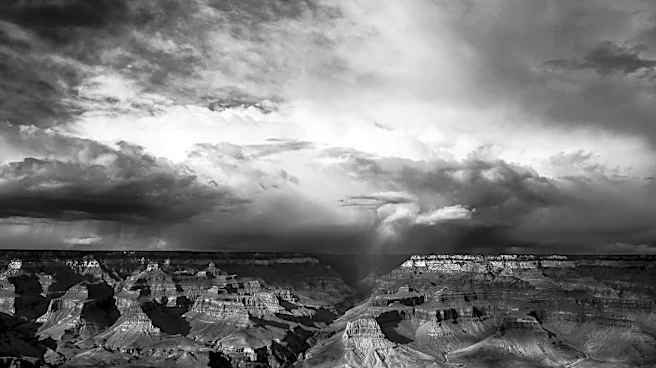
gas reserves, the county is increasingly turning towards tourism. Marfa, the county seat, is a renowned artist enclave, and the proximity to Big Bend National Park draws artists, photographers, and adventure seekers to the area's unique cultural offerings and stark beauty. This transition to a service-based economy, while offering stability and growth, creates a divide between the demands of tourism and the traditional agricultural and industrial sectors that still support a portion of the rural population. The county also faces critical challenges related to its arid environment, the U.S.-Mexico border along the Rio Grande, and severe water scarcity issues, including the depletion of the Edwards-Trinity Aquifer and frequent droughts.
Why It's Important?
The economic evolution of Presidio County highlights a broader trend in rural America where traditional industries are being supplemented or replaced by tourism and service sectors. This shift can bring new investment and jobs, but also poses challenges in maintaining the balance between economic development and the preservation of local culture and resources. The county's struggle with water scarcity, exacerbated by climate change and increased demand, is a critical issue with implications for agricultural sustainability and future growth. Furthermore, its location on the U.S.-Mexico border places it at the forefront of national discussions on immigration and border security, impacting local resources and creating complex dynamics between federal agencies, local law enforcement, and the community. The resilience of its tight-knit community, with its rich tapestry of Hispanic, Anglo, and Native American influences, is crucial in navigating these pressures.
What's Next?
Presidio County's future will depend on its ability to diversify and stabilize its economy beyond the boom-and-bust cycles of the energy sector. Developing and implementing sustainable water management plans will be essential to address the existential threat posed by water scarcity to its agricultural heritage and overall development. The county will also need to find ways to manage border security that respects both national sovereignty and human dignity, while mitigating the strain on local resources. Continued growth in tourism, particularly around Marfa's art scene and Big Bend National Park, is likely, but careful planning will be required to ensure this growth benefits the entire community and does not further marginalize traditional industries or strain environmental resources. The community's ability to adapt and maintain its cultural identity amidst these changes will be a key factor in its long-term sustainability.
Beyond the Headlines
The transformation of Presidio County from an agricultural and industrial hub to a tourism destination reflects a national narrative of rural communities seeking new economic identities. This transition often brings ethical considerations regarding gentrification, the commodification of local culture, and the potential displacement of long-standing residents. The influx of artists and tourists, while economically beneficial, can alter the social fabric and increase the cost of living, making it difficult for those dependent on traditional livelihoods to remain. The environmental challenges, particularly water scarcity, underscore the urgent need for innovative and equitable resource management strategies in arid regions across the U.S. The county's border location also raises profound questions about national identity, humanitarian responsibilities, and the impact of federal policies on local communities, highlighting the complex interplay between global issues and local realities.