





What's Happening?
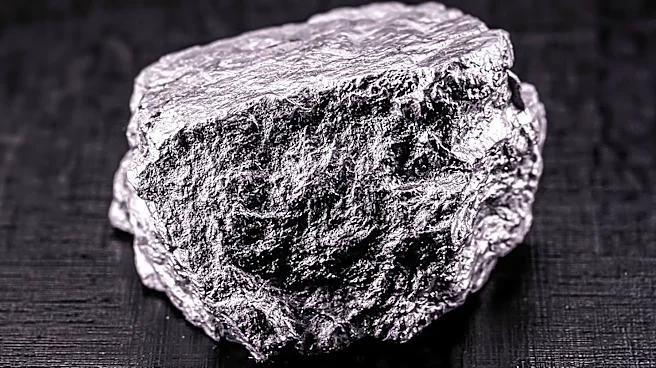
Researchers have discovered a previously unknown metal alloy in the debris from the Hiroshima atomic bomb blast of 1945. The alloy was found in small, glass-like beads called hiroshimaites, which formed when the intense heat of the blast vaporized building
materials, soil, and metals. The alloy, a complex mix of iron, chromium, nickel, manganese, molybdenum, silicon, and aluminum, has a unique crystal structure. The findings, published in Science Advances, suggest that high-energy plasma events like nuclear detonations can create new materials that are difficult to synthesize in a lab.
Why It's Important?
The discovery of this new alloy provides valuable insights into the effects of nuclear detonations and the potential for creating novel materials under extreme conditions. The alloy's unique properties could have implications for materials science, particularly in the development of high-entropy alloys and quasicrystals, which are known for their strength and stability. This research highlights the importance of studying historical events to uncover new scientific knowledge and could inspire further exploration of materials formed under extreme conditions.