





What's Happening?
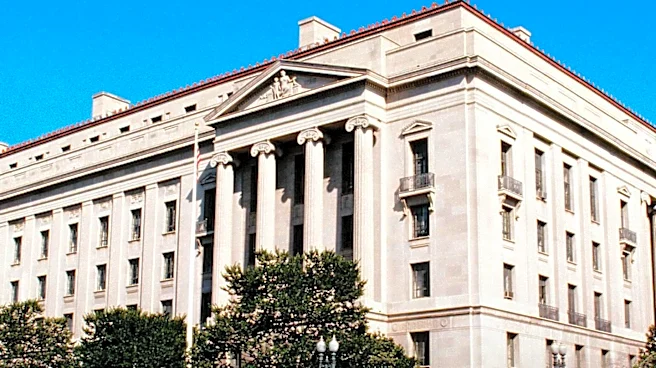
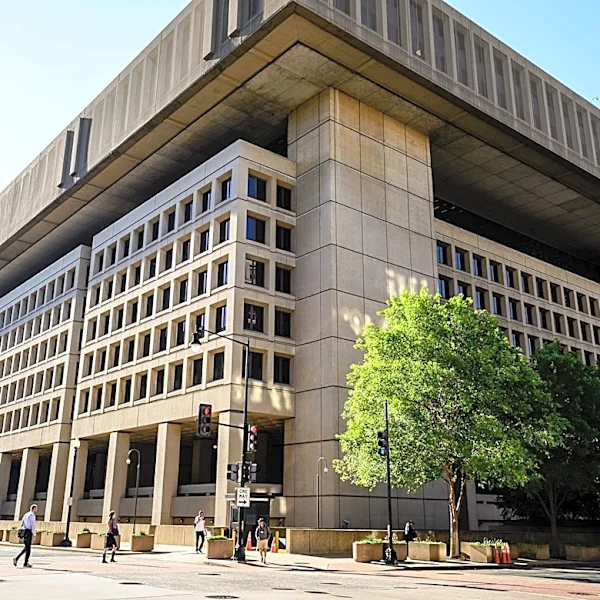
Former FBI Director James Comey has filed a motion to dismiss the 'seashells' case against him, alleging that the prosecution is vindictive and selective. Comey claims that President Trump directed the U.S. Secret Service to surveil him following a social
media post that allegedly threatened the president. The motion argues that the case is part of a campaign by Trump to punish Comey for his protected speech. The indictment, which is the second against Comey in a year, accuses him of threatening Trump through a post featuring seashells arranged to spell '86 47'.
Why It's Important?
The allegations of surveillance and selective prosecution raise significant concerns about the potential abuse of power by the executive branch. If true, these actions could represent a violation of Comey's rights and set a dangerous precedent for the treatment of political opponents. The case also highlights ongoing tensions between Trump and Comey, reflecting broader political divisions and the potential for legal systems to be used as tools of political retribution. The outcome of this case could influence public perceptions of justice and fairness in the U.S. legal system.
What's Next?
The court will need to consider Comey's motion to dismiss, which could lead to a reevaluation of the evidence and the DOJ's conduct. If the motion is successful, it may result in the dismissal of charges and prompt further investigation into the alleged surveillance. The case could also lead to increased scrutiny of the DOJ's practices and the influence of political figures on legal proceedings. The resolution of this case may have implications for future cases involving allegations of political bias and misuse of power.