






What's Happening?
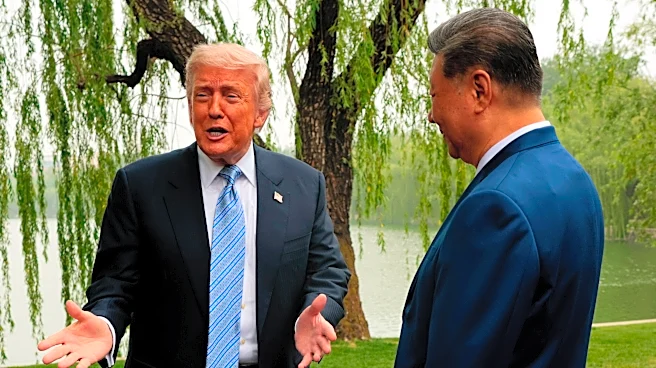
Following a summit with Chinese President Xi Jinping, President Trump has reiterated the U.S. position against Taiwanese independence. In discussions with reporters, Trump noted that Xi strongly opposes any movement towards independence for Taiwan, which
China considers part of its territory. The U.S. continues to support Taiwan through arms sales, as mandated by the Taiwan Relations Act, but maintains a policy of strategic ambiguity regarding Taiwan's defense. The summit highlighted the importance of managing the Taiwan issue to prevent conflict between the U.S. and China.
Why It's Important?
The reaffirmation of U.S. policy on Taiwan is crucial in maintaining regional stability and balancing relations with China. The U.S. plays a pivotal role in supporting Taiwan's defense capabilities, which is a point of contention with China. The outcome of these discussions could influence future U.S. arms sales to Taiwan and impact the broader geopolitical landscape in the Asia-Pacific region. The delicate handling of the Taiwan issue is essential to avoid escalating tensions and potential military conflict.
What's Next?
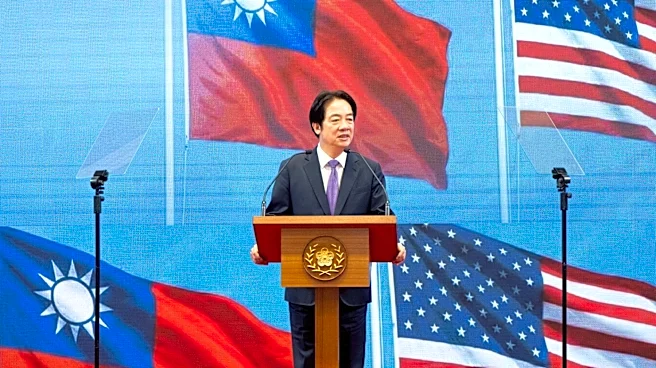
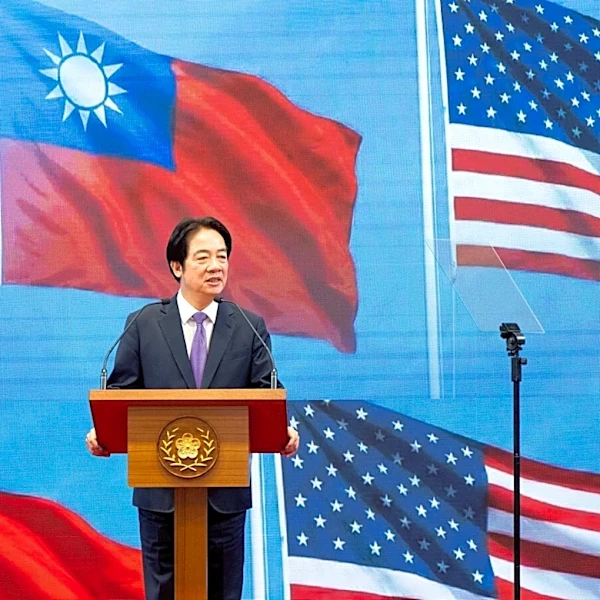
The U.S. administration faces decisions regarding future arms sales to Taiwan, which could affect U.S.-China relations. Taiwan's government has expressed gratitude for U.S. support and emphasized the importance of arms sales as a deterrent against regional threats. The international community will be watching for any changes in U.S. policy or actions that could alter the status quo. China's response to the summit and any subsequent U.S. actions will be critical in determining the future trajectory of U.S.-China-Taiwan relations.