

What's Happening?
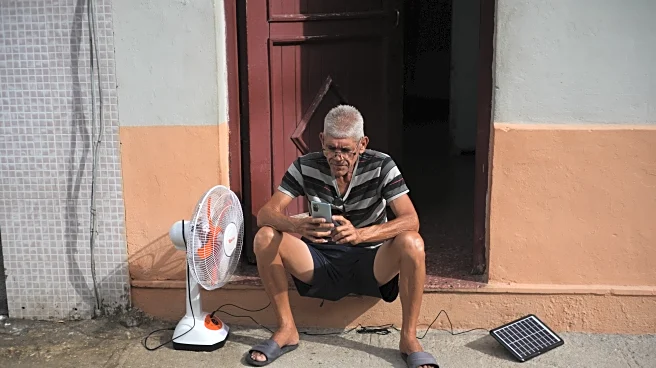
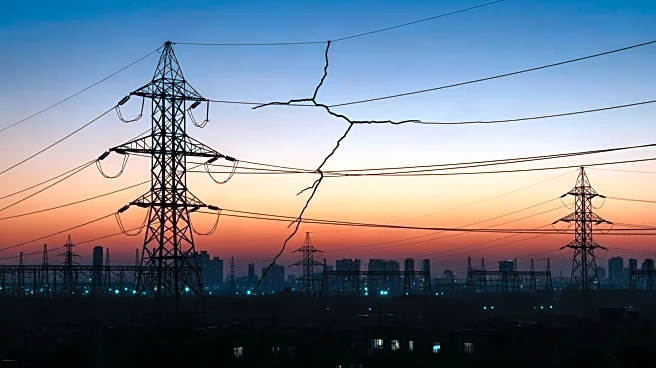
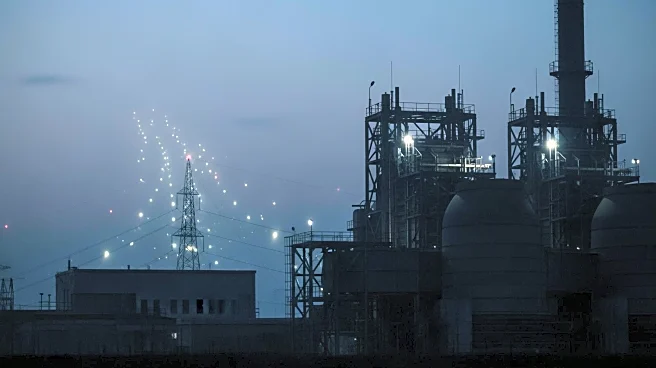
The Cuban government has issued a warning to its citizens about the likelihood of continued power shortages, following a recent 29-hour island-wide blackout. Although the power grid has been restored, energy officials have cautioned that the island is not
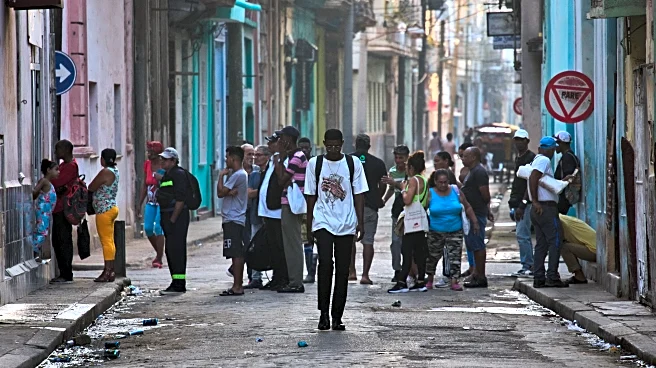
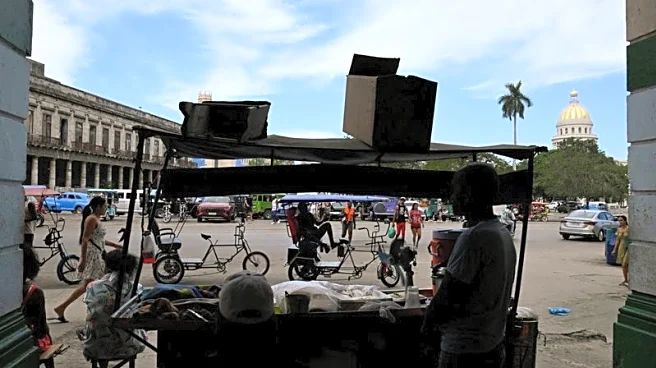
generating sufficient electricity to meet demand. This energy crisis is part of a broader economic struggle exacerbated by U.S. sanctions, which have halted vital oil exports to Cuba. The shortages have led to significant disruptions in daily life, affecting everything from healthcare services to basic household needs.
Why It's Important?
The energy crisis in Cuba highlights the severe impact of economic sanctions and the country's reliance on external resources for energy. The ongoing power shortages are not only a technical issue but also a humanitarian concern, as they affect essential services and the quality of life for Cuban citizens. The situation underscores the broader economic challenges facing Cuba, which are compounded by political tensions with the U.S. The crisis could lead to increased public unrest and pressure on the Cuban government to find alternative energy solutions or negotiate relief from sanctions.
What's Next?
Cuba's energy crisis is likely to persist unless significant changes are made. The government may seek to diversify its energy sources or increase efficiency in its power generation. International aid and investment could play a role in alleviating the crisis, but this would require diplomatic negotiations and potential policy shifts. The Cuban government's ability to manage the crisis will be crucial in maintaining social stability. Observers will be watching for any signs of policy changes or international interventions that could alter the current trajectory.