






What's Happening?
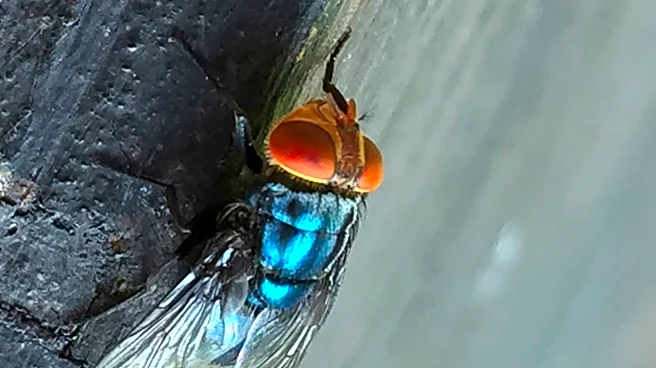
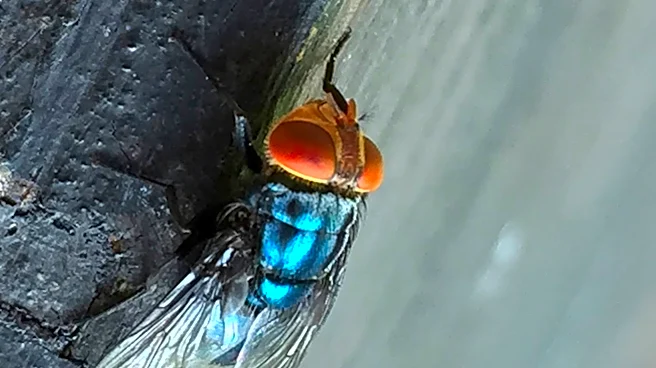
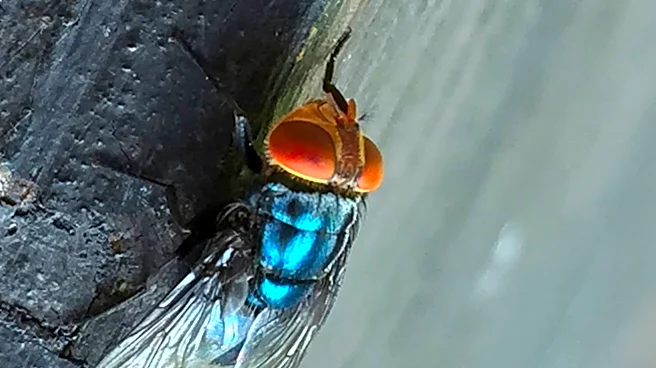
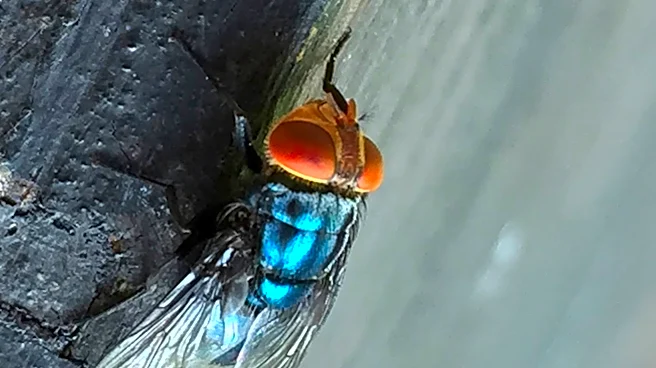
The New World Screwworm fly has been detected in the United States for the first time since 1966, with initial cases confirmed in a calf in southern Texas on June 3, 2026, followed by additional cases in Texas and New Mexico. The fly poses a significant
threat to livestock, pets, and wildlife by laying eggs in open wounds, leading to larvae that burrow into living flesh. Agriculture Secretary Brooke Rollins has described the screwworm as a 'little pest,' despite previously calling it 'terrifying.' The USDA is actively working to contain the spread by releasing sterile flies to mate with female screwworm flies, implementing quarantine zones, and increasing surveillance and outreach efforts.
Why It's Important?
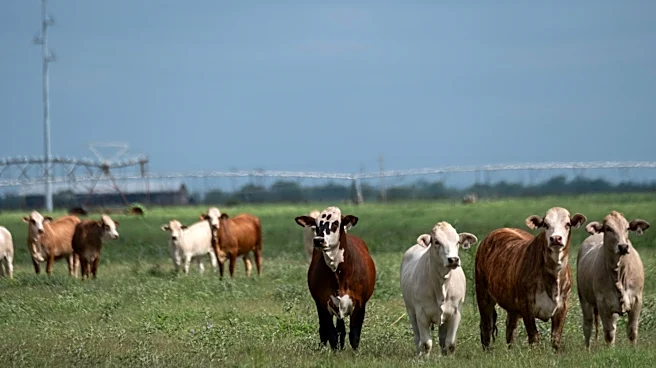
The detection of the New World Screwworm in the U.S. is significant due to its potential impact on the cattle industry, which is already facing challenges with low herd numbers. The infestation could lead to increased beef prices, exacerbating inflationary pressures. The USDA's response is crucial to prevent a full-blown infestation that could cause substantial economic damage. The situation highlights the importance of biosecurity measures and the need for effective pest management strategies to protect the agricultural sector.
What's Next?
The USDA will continue its efforts to contain the screwworm outbreak through various measures, including the release of sterile flies and the establishment of quarantine zones. The agency is urging the public to report any suspected cases to aid in early detection and containment. The effectiveness of these measures will be closely monitored, and adjustments may be made as necessary to prevent further spread.