







What's Happening?
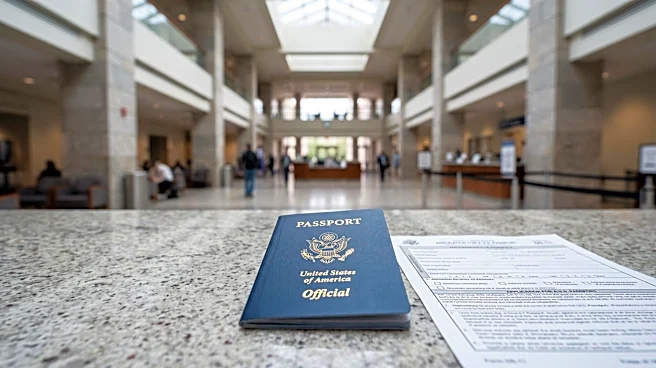
The U.S. State Department has clarified that it will not accept digital proof of U.S. citizenship, such as mobile or electronic birth certificates, for American passport applications. Applicants are required to present physical proof of citizenship. This
requirement applies to first-time applicants, those seeking a replacement for a lost, stolen, or severely damaged passport, individuals whose previous passport was issued over 15 years ago or when they were under 16, and those who have legally changed their name without supporting documentation. To apply, individuals must submit Form DS-11, provide physical proof of citizenship, a photo ID like a driver's license, photocopies of both citizenship proof and ID, an acceptable photograph, and pay the necessary fees. The State Department emphasizes that non-compliant photos are a common reason for delays in passport applications.
Why It's Important?
This policy underscores the U.S. government's stringent security protocols for identity verification in international travel documents. By exclusively requiring physical documentation for proof of citizenship, the State Department aims to mitigate risks associated with digital fraud and ensure the authenticity of applicants' claims. This impacts U.S. citizens planning international travel, as they must ensure they possess original physical documents, not just digital copies. For businesses and services that offer digital document solutions, this presents a clear limitation, as their digital offerings will not suffice for this critical government process. The emphasis on physical documents also highlights a potential gap in the broader digital transformation efforts within government services, indicating areas where digital solutions are not yet deemed secure or reliable enough for foundational identity verification.
What's Next?
U.S. citizens applying for passports will need to continue to gather and present physical documents for proof of citizenship. This means individuals should ensure they have access to original birth certificates, previous physical passports, or naturalization certificates. The State Department's stance suggests that any future move towards accepting digital proof of citizenship would require significant advancements in digital security and verification technologies, along with policy changes. For now, the process remains reliant on traditional paper documentation. Passport acceptance facilities and authorized centers will continue to enforce these physical document requirements, and applicants should prepare accordingly to avoid delays in their passport processing.
Beyond the Headlines
The State Department's firm stance on physical proof of citizenship for passports reflects a broader tension between the convenience of digital documentation and the imperative of national security and fraud prevention. While many aspects of daily life are moving towards digital solutions, critical government functions like passport issuance often lag due to the high stakes involved. This policy implicitly raises questions about the trustworthiness and interoperability of digital identity systems, especially when dealing with foundational documents like birth certificates. It also highlights the ongoing challenge of balancing accessibility and efficiency with robust security measures in an increasingly digital world. The decision to not accept digital proof suggests that, for the U.S. government, the current digital landscape does not yet meet the necessary standards for verifying citizenship for international travel documents.