


What's Happening?
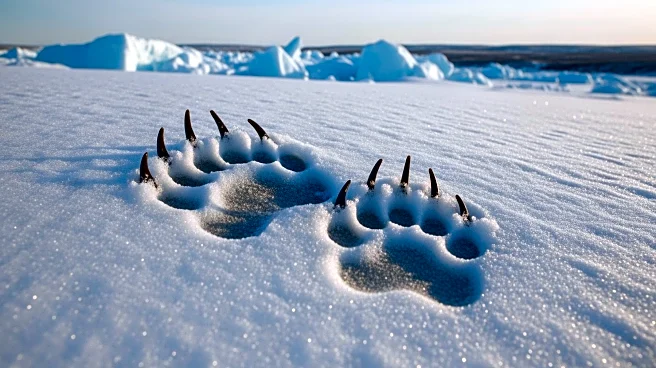
In the Arctic, a unique hybrid bear known as the 'grolar bear' has emerged due to interbreeding between polar bears and grizzly bears. This phenomenon is largely attributed to climate change, which is causing polar bears to move south as their sea ice
habitat diminishes, while grizzly bears expand northward due to warmer temperatures. The grolar bears, a result of these encounters, exhibit characteristics of both species. However, recent studies suggest that these hybrids are not well-suited to thrive in either the polar or grizzly bear environments, lacking the specialized traits necessary for survival in the Arctic or terrestrial habitats.
Why It's Important?
The emergence of grolar bears highlights the broader ecological impacts of climate change, particularly in the Arctic, which is warming at a rate four times faster than the global average. This hybridization could signal a potential threat to the biodiversity of the region, as it may lead to the decline of pure polar bear populations. The situation underscores the urgent need for addressing climate change to preserve the natural habitats and species that are currently at risk. The presence of these hybrids also raises questions about the future of Arctic ecosystems and the potential for new species to emerge as a result of environmental pressures.
What's Next?
While the current occurrence of grolar bears is rare, continued climate change could increase the frequency of such hybridizations. This could lead to further ecological shifts and potential challenges for conservation efforts aimed at preserving polar bear populations. Scientists and conservationists may need to monitor these developments closely to understand the long-term implications for Arctic wildlife and to devise strategies to mitigate the impacts of climate change on these ecosystems.
Beyond the Headlines
The grolar bear phenomenon is part of a larger pattern of climate-induced hybridization observed in other species, such as the blynx and coywolf in North America. These hybrids often face challenges in adapting to their new environments, which can lead to reduced biodiversity and ecosystem instability. The situation serves as a reminder of the interconnectedness of species and the potential cascading effects of environmental changes on global ecosystems.