


What's Happening?
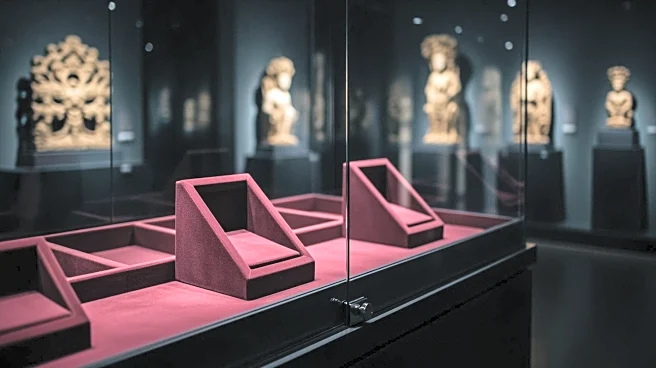
A significant theft has occurred at the Bristol Museum's 'British Empire and Commonwealth Collection' in the UK, where more than 600 artifacts were stolen in a single overnight break-in. Avon and Somerset police have released CCTV images of four men suspected
to be involved in the burglary, which took place on September 25. The footage shows the suspects, described as wearing caps and hoodies, carrying bags outside a building on Cumberland Road between 1 am and 2 am. The stolen items are part of a collection that documents Britain's ties with its former colonies, including objects from Pacific islands and clothing from African nations. The collection, which was originally housed at the British Empire & Commonwealth Museum until its closure in 2012, is now under the care of the Bristol City Council, Bristol Museums, and the city archives.
Why It's Important?
The theft of these artifacts is significant as they represent a crucial part of Britain's historical narrative, offering insights into its imperial past. The loss of these items is a blow to historical scholarship and public understanding of a complex and controversial period. This incident adds to a troubling trend of museum thefts across Europe, including recent high-profile cases in Paris and Switzerland. The theft underscores the vulnerabilities in museum security and the ongoing challenges in preserving cultural heritage. The stolen artifacts, many of which were donations, hold not only historical but also cultural value, making their recovery a priority for both local authorities and the broader historical community.
What's Next?
The police are actively seeking public assistance in identifying the suspects from the CCTV footage and locating the stolen artifacts. The appeal for information comes more than two months after the crime, raising questions about the timing of the public alert. The authorities are likely to increase security measures at museums to prevent future incidents. The recovery of the artifacts is crucial, not only for the preservation of history but also for maintaining public trust in museum institutions. The case may prompt a reevaluation of security protocols in museums across Europe.