





What's Happening?
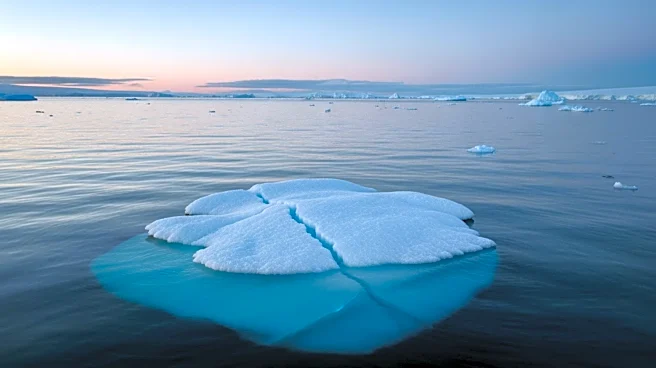
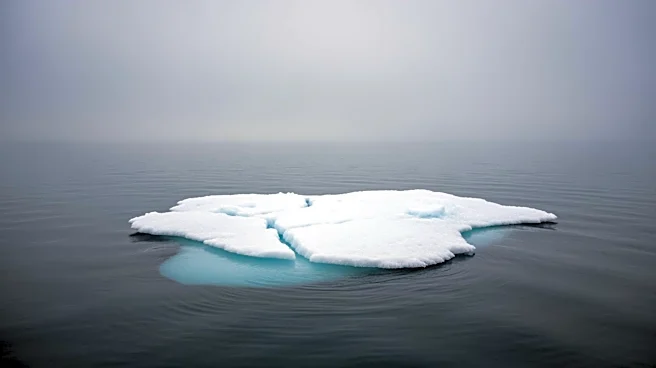
Emperor penguins have been classified as 'Endangered' by the International Union for Conservation of Nature (IUCN) due to significant population declines caused by climate change. The loss of sea ice, essential for breeding and moulting, has led to increased
drowning rates among chicks. Between 2009 and 2018, the population decreased by 10%, equating to over 20,000 adult penguins. The IUCN warns that without adequate sea ice, the species faces a 50% population decline by the 2080s. This situation highlights the broader impacts of climate change on biodiversity and ecosystems.
Why It's Important?
The endangered status of emperor penguins serves as a stark indicator of the severe impacts of climate change on global biodiversity. As a sentinel species, their decline signals broader environmental threats that could affect numerous other species and ecosystems. The loss of sea ice not only threatens penguins but also disrupts the Antarctic ecosystem, which plays a crucial role in global climate regulation. This development underscores the urgent need for international climate action to mitigate greenhouse gas emissions and protect vulnerable species and habitats.
What's Next?
Conservation efforts will need to focus on mitigating climate change impacts and protecting critical habitats. This may involve international cooperation to reduce carbon emissions and implement policies that support biodiversity conservation. The IUCN and other environmental organizations are likely to advocate for increased funding and research to better understand and address the challenges facing emperor penguins and other affected species. Public awareness campaigns may also play a role in driving policy changes and encouraging sustainable practices.