

What's Happening?
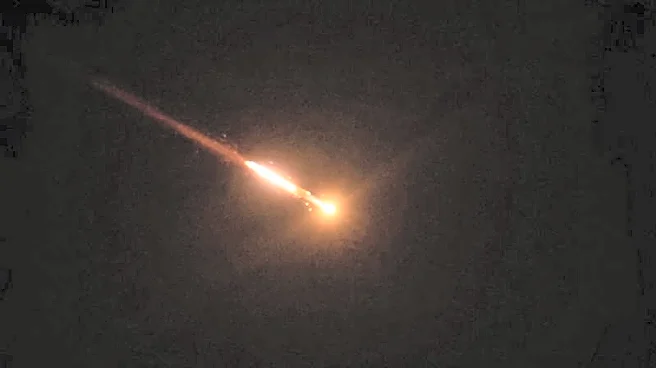
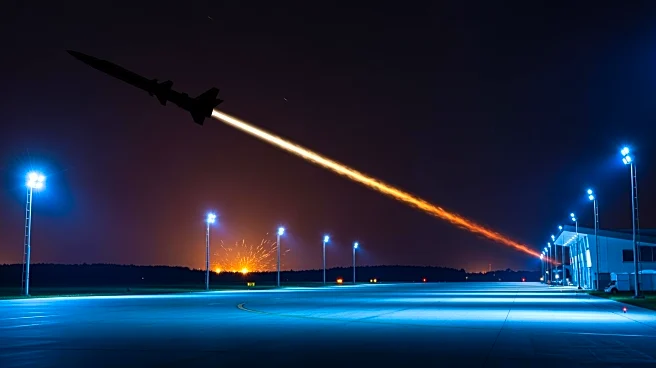
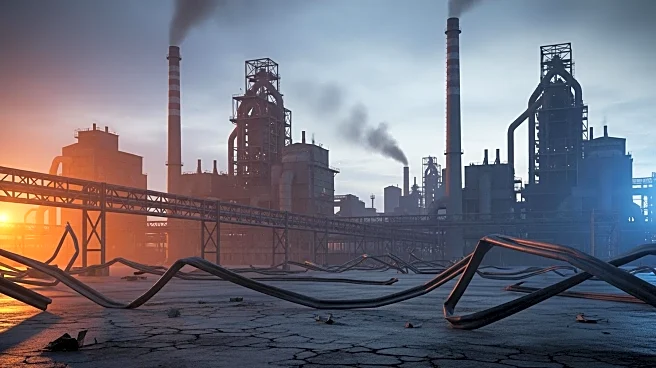
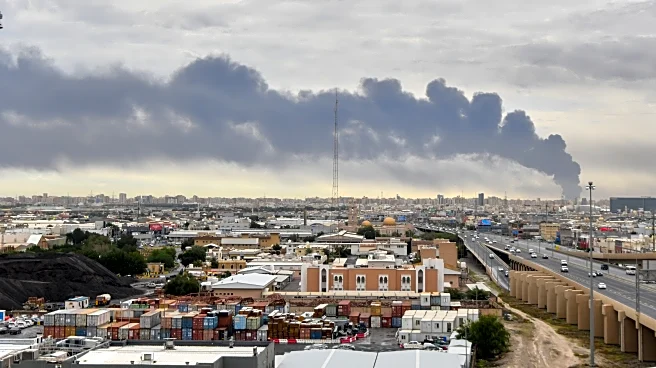
Iranian steelmakers Khouzestan Steel (KhSC) and Mobarakeh Steel (MSC) have been damaged by air strikes attributed to the US and Israel. The attacks have affected storage and power infrastructure, potentially reducing Iran's billet and slab production
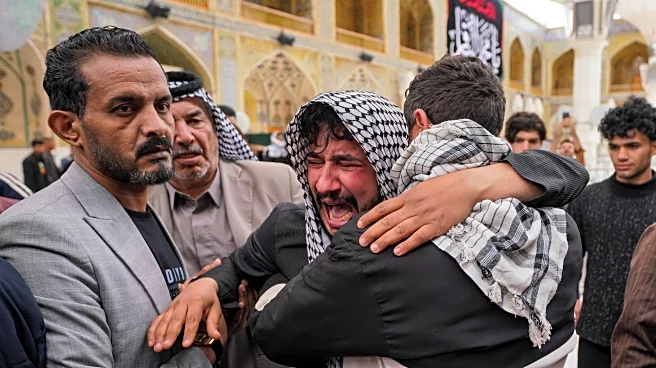
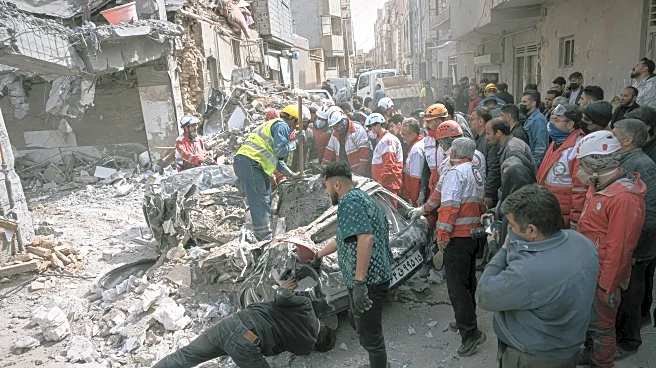
and export capacity. KhSC, Iran's second-largest steelmaker, reported damage to storage silos, while MSC suffered damage to a substation and power units. The incidents follow a previous strike on Foolad Atieh, which resulted in casualties. The attacks have exacerbated existing gas and power shortages faced by Iranian steel producers, impacting their operational capabilities.
Why It's Important?
The air strikes on Iranian steel plants have significant implications for the global steel market, particularly in terms of supply disruptions. Iran is a notable exporter of semi-finished steel products, and the damage to its production facilities could lead to fluctuations in global steel prices. The strikes also highlight ongoing geopolitical tensions in the region, with potential retaliatory actions by Iran against Gulf steel producers. This situation could further destabilize the Middle East's industrial landscape, affecting international trade and economic relations. The attacks also underscore the vulnerability of critical infrastructure in conflict zones, raising concerns about the security of supply chains.
What's Next?
In response to the air strikes, Iran is reportedly preparing retaliatory measures against steel producers in the Gulf region, including facilities in Saudi Arabia, the UAE, and Israel. This could escalate regional tensions and lead to further disruptions in the steel industry. Additionally, the Iranian government and affected companies will likely conduct thorough assessments of the damage to determine the full impact on production capabilities. The international community may also respond with diplomatic efforts to de-escalate the situation and prevent further conflict. The ongoing power and gas shortages in Iran will need to be addressed to stabilize the country's steel production.