






What's Happening?
Iran is currently reviewing a 'one-page peace plan' proposed by the U.S., as confirmed by Iran's foreign ministry. This development follows reports of potential agreements between the two nations, which have influenced global markets, notably causing
a drop in crude oil prices. President Trump has warned of intensified military actions if Iran does not agree to the peace terms. The situation has also affected U.S. military operations in the region, with a key Gulf ally suspending U.S. access to its bases, prompting a pause in military operations. The peace proposal aims to address ongoing conflicts and facilitate discussions on critical issues.
Why It's Important?
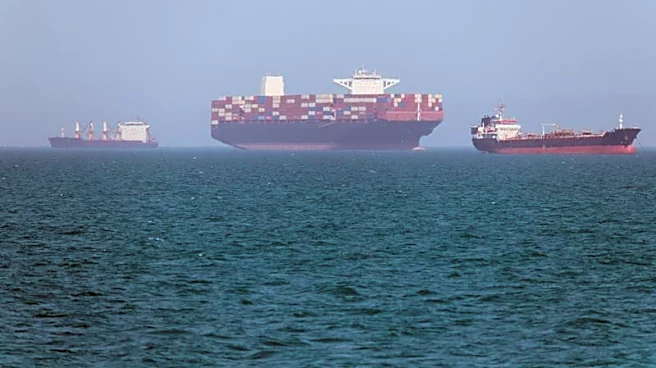
The review of the peace plan by Iran is a pivotal moment in U.S.-Iran relations, with significant implications for global energy markets and geopolitical stability. A successful agreement could lead to a reduction in regional tensions and stabilize oil prices, benefiting global economies. Conversely, failure to reach an agreement could exacerbate conflicts and disrupt international trade routes, particularly through the Strait of Hormuz. The outcome of these negotiations will influence U.S. foreign policy and its strategic alliances in the Middle East.
What's Next?
The next phase involves Iran's decision on the peace proposal, which will determine the future of U.S.-Iran relations. Key international players, including regional allies and global economic stakeholders, will be closely monitoring the situation. The U.S. may need to navigate diplomatic challenges and reassess its military strategies in the region. The potential for renewed negotiations or escalated conflicts will shape the geopolitical landscape and impact global economic stability.