



What's Happening?
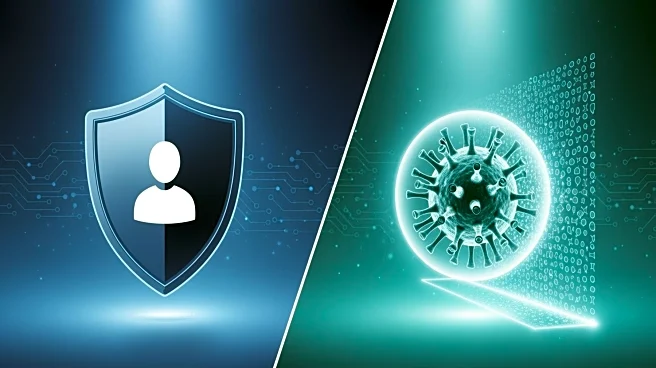
The article discusses the differences between identity theft protection and antivirus software, emphasizing that they address distinct security concerns. Antivirus software primarily protects devices from malware, offering real-time protection and scanning
capabilities. In contrast, identity theft protection focuses on monitoring personal information, such as social security numbers and credit reports, for suspicious activity. The article highlights the evolution of cyber threats, noting that modern attacks often target individuals through social engineering rather than traditional viruses. It advises consumers to assess their specific security needs when deciding which service to prioritize, suggesting that those concerned about identity theft should consider identity monitoring services first.
Why It's Important?
Understanding the distinction between antivirus and identity theft protection is crucial for consumers to make informed decisions about their digital security investments. As cyber threats evolve, individuals face increased risks of identity theft, which can have severe financial and personal consequences. By choosing the appropriate protection, consumers can better safeguard their personal information and financial assets. The article underscores the importance of proactive measures, such as using strong passwords and enabling two-factor authentication, to enhance security. This guidance is particularly relevant as data breaches and identity theft incidents continue to rise, affecting millions of individuals annually.