




What's Happening?
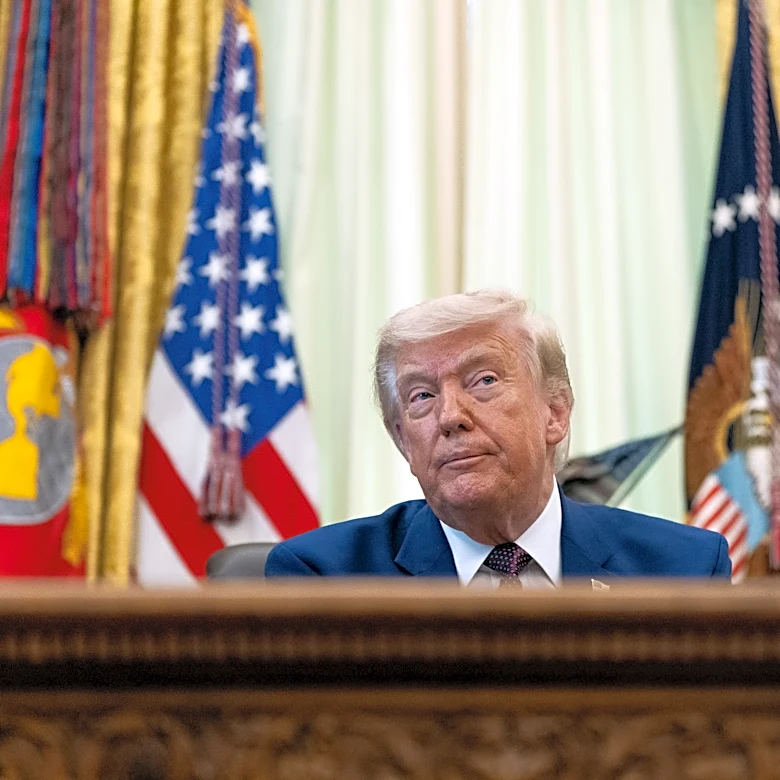
President Trump has indicated that a peace agreement with Iran could be reached as soon as the upcoming weekend. This statement comes amid ongoing tensions in the Middle East, where Iran reportedly targeted a US military ship, a claim denied by US Central
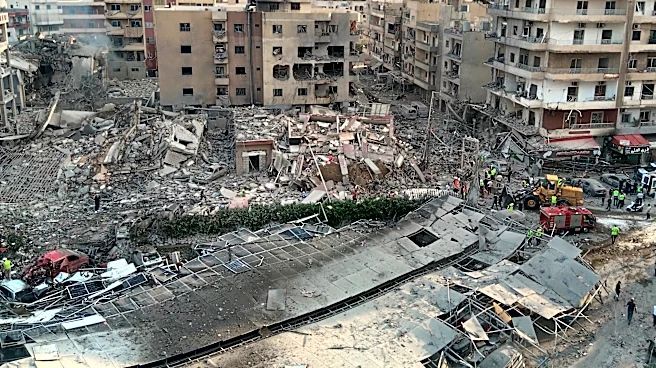
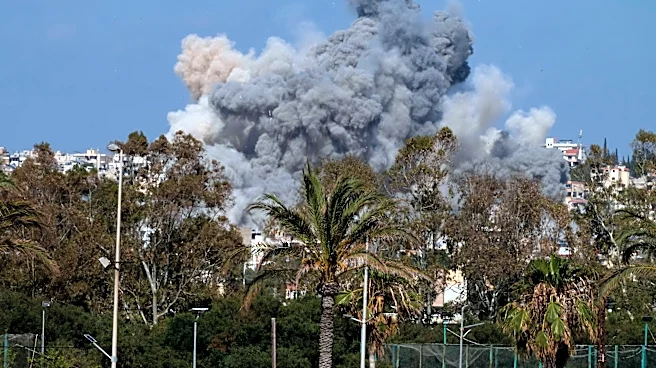
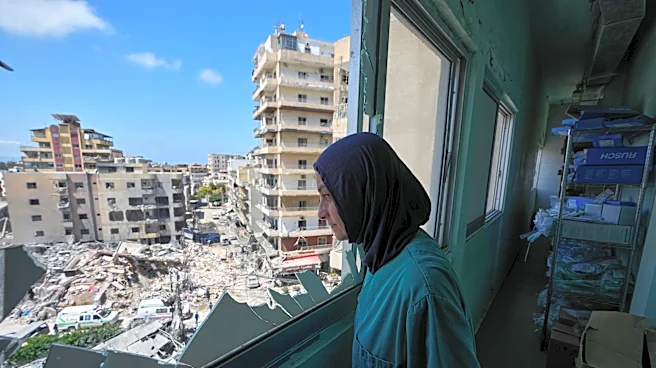
Command. Trump emphasized the volatility of the region but expressed optimism about the negotiations, which focus on preventing Iran from acquiring nuclear weapons. Meanwhile, Iranian Foreign Minister Abbas Araghchi warned that any attack on Beirut could lead to a full-scale resumption of the Middle East war. Trump also mentioned the possibility of separating peace talks involving Lebanon from those with Iran, highlighting the distinct nature of the conflicts.
Why It's Important?
The potential peace deal between the US and Iran could significantly alter the geopolitical landscape of the Middle East. A successful agreement might reduce regional tensions and prevent further military escalations. However, the complexity of the situation, including Iran's involvement in Lebanon through Hezbollah, poses challenges to achieving a comprehensive peace. The outcome of these negotiations could impact US foreign policy, regional alliances, and global security dynamics. The US Congress's recent move to limit Trump's war powers in Iran underscores the domestic political implications of these developments.
What's Next?
If a peace deal is reached, it could lead to a de-escalation of military activities in the region. However, the separation of Lebanon from the Iran talks suggests that multiple diplomatic efforts will be needed to address the broader Middle East conflict. The international community, including key stakeholders like Israel and Hezbollah, will likely play a crucial role in shaping the post-agreement landscape. Continued dialogue and negotiation will be essential to ensure lasting peace and stability.