








What's Happening?
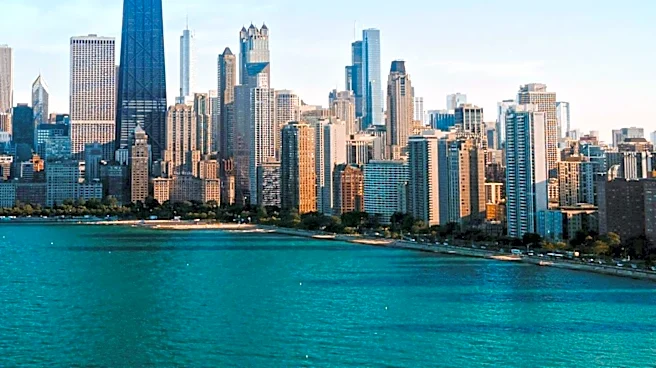
ComEd, a major energy provider in Chicago, has issued an urgent alert to 78,000 customers across the city's Southwest Side and western suburbs, urging them to reduce energy consumption immediately. This request comes as the region experiences a severe
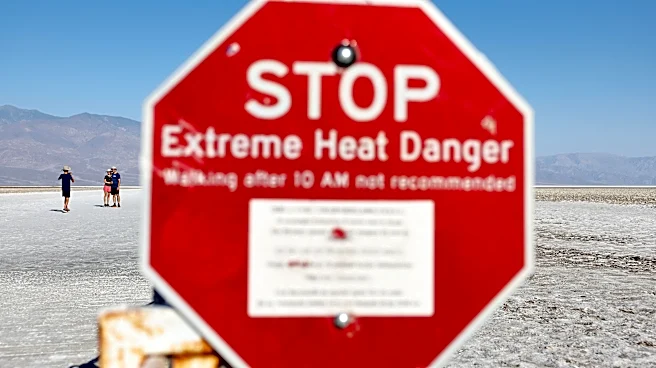
heat wave, with temperatures reaching as high as 96 degrees and a heat index exceeding 100 degrees. The National Weather Service has placed an extreme heat warning in effect through midnight on Friday. The intense heat is straining the power grid, prompting ComEd to ask residents to conserve energy by raising thermostats, closing window shades, unplugging unused electronics, and delaying the use of major appliances. Despite the alert, power outages remain relatively low, with only about 730 reported outages, affecting less than a quarter of one percent of ComEd's customers.
Why It's Important?
The alert from ComEd highlights the vulnerability of urban infrastructure to extreme weather conditions, particularly as climate change leads to more frequent and severe heat waves. The strain on the power grid not only risks widespread outages but also underscores the need for robust energy infrastructure capable of handling peak demands. For residents, the call to conserve energy is crucial to prevent potential blackouts, which could have significant impacts on daily life and safety, especially for vulnerable populations such as the elderly and those with health conditions. The situation also raises broader questions about energy policy and the need for sustainable solutions to manage increasing energy demands in urban areas.
What's Next?
As the heat wave continues, ComEd and local authorities will likely monitor the situation closely to manage the power grid's stability. Residents may need to continue energy conservation efforts until temperatures drop and the strain on the grid decreases. The forecasted rain over the weekend may provide some relief. In the longer term, this event could prompt discussions among policymakers and energy providers about investing in infrastructure improvements and exploring alternative energy sources to enhance grid resilience against extreme weather events.