


What's Happening?
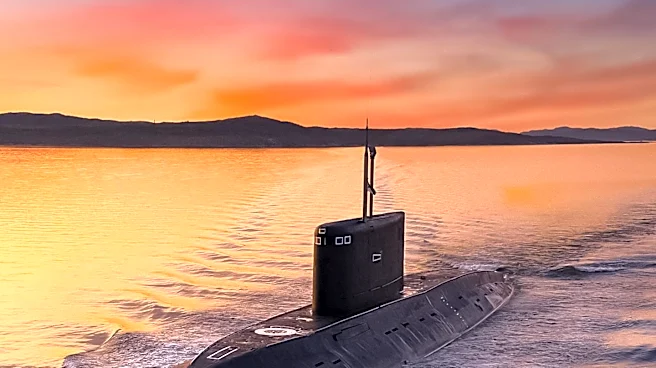
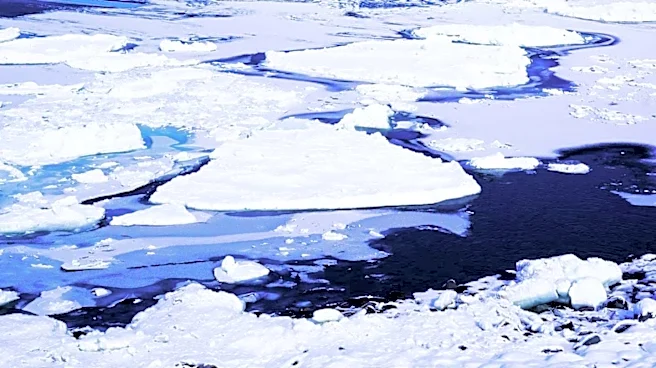
The Arctic region is undergoing significant changes due to climate change, which is opening new maritime routes and exposing vast reserves of hydrocarbons and critical minerals. This transformation has turned the Arctic into a focal point for geopolitical
competition among major powers, including the United States, Russia, NATO, the European Union, and China. These nations are expanding their strategic presence through military deployments, naval exercises, and infrastructure projects. The region, once known for scientific inquiry and environmental conservation, is now a stage for military strategy and economic interests. The growing military presence raises concerns about the potential for conflict, overshadowing the need for diplomatic engagement and scientific cooperation.
Why It's Important?
The developments in the Arctic have significant implications for global security and environmental stability. The increased military activity and strategic competition among major powers could lead to heightened tensions and potential conflicts. The region's ecological changes, driven by climate change, are creating new economic opportunities but also increasing environmental vulnerabilities. The interests of Indigenous communities, who view the Arctic as their home and identity, are often overlooked in the geopolitical discourse. Sustainable governance of the Arctic requires balancing security interests with environmental protection and the rights of local populations. The situation underscores the need for international cooperation to address the complex challenges posed by climate change and geopolitical rivalry.
What's Next?
The future of the Arctic will likely involve continued strategic competition among major powers, with potential for increased military presence and infrastructure development. Diplomatic efforts and confidence-building measures are crucial to prevent the region from becoming a flashpoint for conflict. There is a need for renewed multilateral dialogue involving governments, military officials, scientists, and Indigenous representatives to address practical concerns such as maritime safety and environmental emergencies. The international community must prioritize ecological responsibility and peaceful cooperation to ensure the Arctic remains a region of shared responsibility rather than strategic rivalry.
Beyond the Headlines
The Arctic's transformation raises ethical questions about humanity's relationship with nature and the need for responsible stewardship of natural resources. The region's ecological changes have global implications, affecting societies far beyond the Arctic Circle. An ethical approach to Arctic governance should prioritize ecological stability, scientific cooperation, and respect for Indigenous rights. Collaborative research on climate change and environmental monitoring should be strengthened to build trust and reduce geopolitical tensions. The Arctic's future depends on a model of development that includes local communities in shaping public policy, ensuring sustainable and inclusive governance.