
What's Happening?
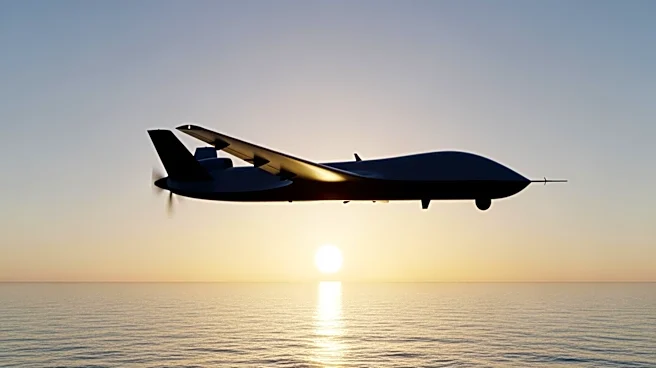
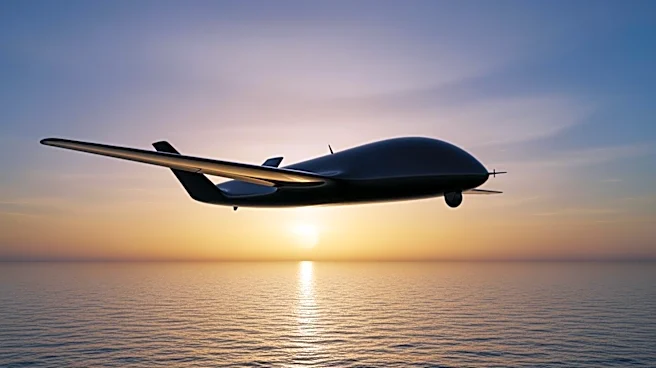
The U.S. Navy's MQ-25 Stingray, an unmanned aerial refueler developed by Boeing, has successfully completed its first flight. This milestone marks significant progress in the program, which aims to extend
the operational reach of the Navy's carrier-based aircraft. Despite this achievement, the MQ-25 is not expected to be operational on aircraft carriers until 2029, a delay from its original 2024 target. The program has faced several setbacks, including design challenges and supply chain disruptions exacerbated by the COVID-19 pandemic. The Navy plans to conduct further flight tests in Illinois and later move to Maryland for carrier qualifications.
Why It's Important?
The MQ-25 Stingray is a critical component of the Navy's strategy to enhance its aerial refueling capabilities, which are currently reliant on F/A-18 Super Hornets. By offloading refueling duties to the MQ-25, the Navy can free up these aircraft for combat missions, thereby increasing the fleet's overall lethality and operational flexibility. The delay in deployment, however, could impact the Navy's readiness and strategic capabilities in the near term. The program's success is also vital for Boeing, as it represents a significant defense contract and a potential model for future unmanned systems.
What's Next?
Boeing and the Navy will continue testing the MQ-25, with plans to transition to carrier-based trials. The Navy's budget documents indicate a request for additional funding to procure more units, suggesting a commitment to overcoming current challenges. Stakeholders will be closely monitoring the program's progress, as any further delays could have implications for U.S. naval operations and Boeing's financial performance.