





What's Happening?
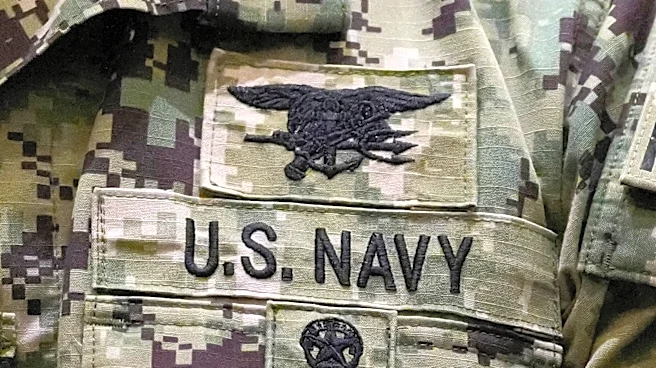
Dr. Brian Monahan, the attending physician of the U.S. Capitol, has resigned from his position, as confirmed by Senate Majority Leader John Thune. This resignation follows allegations of misconduct related to his actions and directives to the sailors
under his command regarding patient care. A source familiar with the situation indicated that the misconduct allegations stemmed from Monahan's choices and requests concerning the provision of care. The resignation coincides with a report from the Defense Department's inspector general, which identified significant oversight deficiencies within the Office of the Attending Physician (OAP). The watchdog report, though redacted in parts, highlighted a "gap in clinical quality management" and noted that certain prescription drugs, including sleep aids and pain medication, were not properly inventoried or tracked. These shortcomings, according to the inspector general, could expose OAP beneficiaries to health and safety risks due to inadequate monitoring of clinical and prescribing practices. The Navy is also conducting its own inquiry into the OAP.
Why It's Important?
The resignation of Dr. Brian Monahan and the accompanying allegations of misconduct and lax oversight within the Office of the Attending Physician (OAP) are significant for several reasons. The OAP is responsible for the medical care of members of Congress, staff, the Supreme Court, and visitors to the Capitol complex, a critical function for the continuity of government operations. The inspector general's findings of unmonitored clinical practices and improper tracking of prescription drugs raise serious concerns about patient safety and the quality of healthcare provided to high-ranking U.S. officials and their staff. Such deficiencies could undermine trust in the medical services available within the Capitol and potentially impact the health and well-being of key government personnel. Furthermore, the allegations of misconduct against a two-star Navy admiral and the Navy's ongoing inquiry highlight potential systemic issues within military medical assignments to civilian government roles. The situation also brings into question the accountability mechanisms in place for such specialized medical offices and the oversight provided by relevant authorities.
What's Next?
Following Dr. Monahan's resignation, the immediate next step will involve the appointment of an interim or new attending physician for the U.S. Capitol to ensure the continuity of medical services for Congress and other beneficiaries. The ongoing Navy inquiry into the Office of the Attending Physician (OAP) is expected to continue, potentially leading to further findings and recommendations regarding personnel conduct and operational procedures. The Defense Department's inspector general's report included five recommendations for improving the OAP, such as designating an external group for quality control and establishing clear policies and procedures for employees. It is anticipated that these recommendations will be addressed to rectify the identified shortcomings in clinical quality management and drug inventory. Lawmakers, including House Minority Leader Hakeem Jeffries, have expressed a desire to ensure the health and safety of members are protected, suggesting that there will be scrutiny and pressure for reforms within the OAP. The outcome of these investigations and the implementation of reforms will be crucial in restoring confidence in the medical care provided at the Capitol.
Beyond the Headlines
The resignation of Dr. Brian Monahan and the issues within the Office of the Attending Physician (OAP) extend beyond immediate personnel changes, touching upon broader ethical and systemic implications. The allegations of misconduct and the inspector general's report highlight a potential vulnerability in the healthcare oversight for critical government functions. The reported pressure on military personnel to perform non-medical tasks, such as cutting toenails or delivering medication to private residences, raises ethical questions about the appropriate use of military medical resources and the boundaries of care provision. This situation could prompt a re-evaluation of the OAP's operational structure, its relationship with the military, and the scope of services it provides. It also underscores the importance of robust internal and external oversight mechanisms for specialized government offices to prevent abuses and ensure high standards of care. The incident may lead to legislative discussions on how to better safeguard the health and privacy of government officials while maintaining accountability and ethical practices within their support services.