


What's Happening?
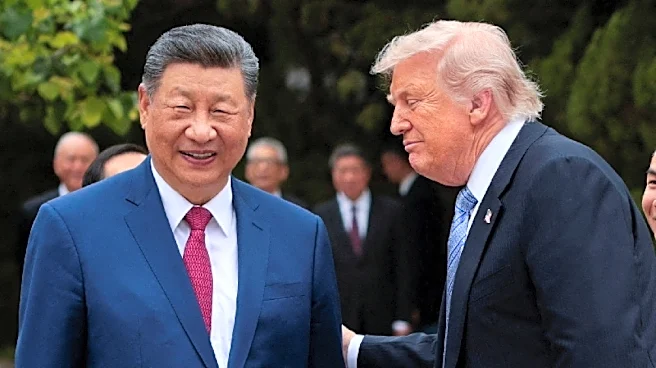
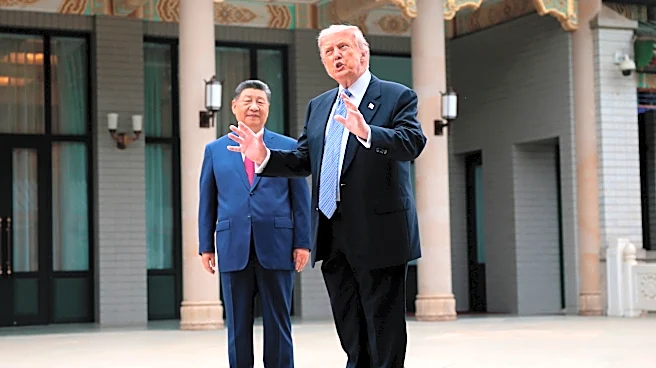
Following a summit between President Trump and Chinese President Xi Jinping in Beijing, the United States is expecting China to commit to purchasing 'double-digit billions' worth of American agricultural products. U.S. Trade Representative Jamieson Greer
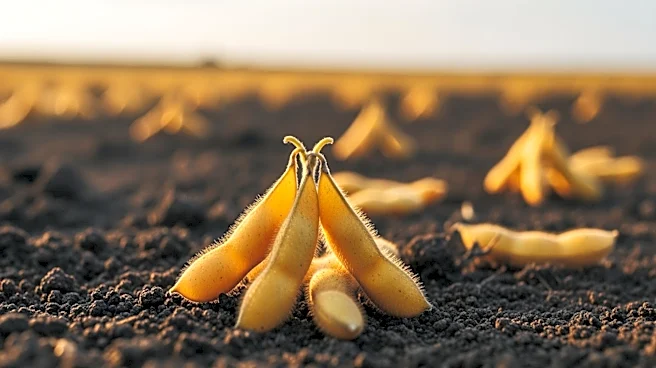
indicated that the potential agreement could span several years and include a wide range of farm products such as soybeans, corn, sorghum, milling wheat, beef, and poultry. This development comes amid ongoing trade tensions between the two nations, with agriculture being one of the less contentious sectors. The summit, which marked President Trump's first visit to China in nearly nine years, also covered topics like trade, artificial intelligence, and geopolitical issues.
Why It's Important?
The anticipated agricultural export deal is significant as it could provide a much-needed boost to American farmers who have been affected by previous trade disputes and tariffs. The agreement could stabilize U.S.-China trade relations, particularly in the agricultural sector, which has been a stabilizing tool in past negotiations. If confirmed, the deal could lead to increased demand for U.S. agricultural products, potentially raising prices and benefiting American farmers and exporters. However, market analysts caution that China's soybean purchases may not increase significantly due to its growing reliance on Brazilian supplies. The outcome of these negotiations could influence broader economic cooperation between the U.S. and China, impacting global trade dynamics.
What's Next?
As negotiations continue, stakeholders in the agricultural sector, including commodity traders and agricultural groups, are closely monitoring developments for signs of expanded export opportunities. The American Soybean Association and other industry groups are hopeful for stronger commitments from China, which could lead to increased market stability and profitability. The broader implications of the summit could also affect other areas of U.S.-China relations, with both countries seeking to balance competition in technology and other sectors with cooperative trade agreements.