






What's Happening?
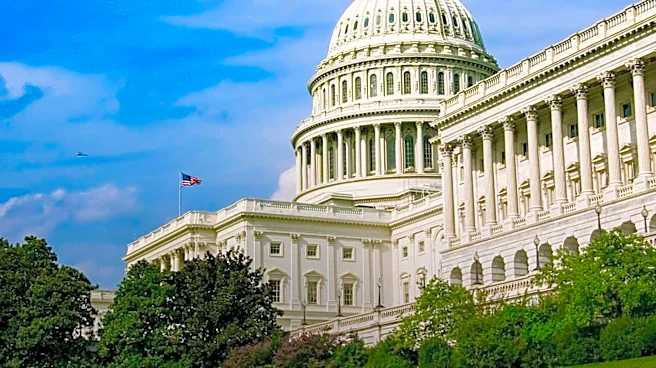
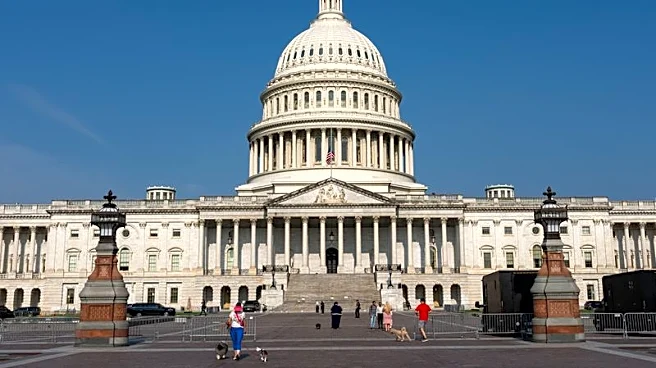
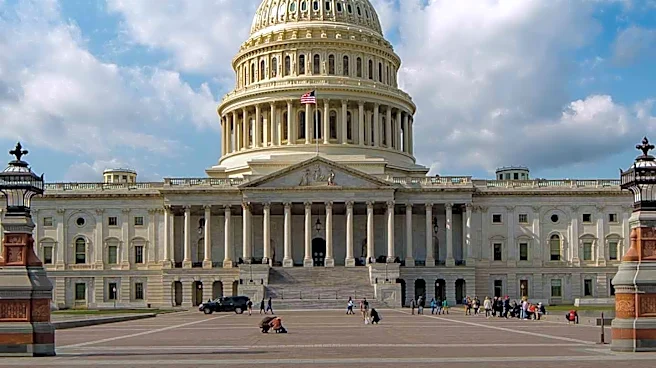
The House of Representatives has passed the 'Stop Insider Trading Act,' a measure aimed at preventing lawmakers from profiting from insider information. The bill, which passed with a vote of 232-198, imposes restrictions on members of Congress and their
families, prohibiting them from purchasing individual stocks while in office. However, the legislation does not apply to President Trump, who has been involved in significant stock trading activities. The bill's exemption of the president and vice president has drawn criticism from ethics groups and some lawmakers, who argue that it leaves a significant gap in the effort to prevent conflicts of interest.
Why It's Important?
The passage of the 'Stop Insider Trading Act' represents a significant step towards increasing transparency and accountability among lawmakers. By restricting stock trading, the bill aims to reduce potential conflicts of interest and restore public confidence in Congress. However, the exemption of the president and vice president raises concerns about the effectiveness of the legislation in addressing insider trading at the highest levels of government. The bill's limitations could undermine its intended impact and lead to calls for further reforms to ensure comprehensive coverage of all government officials.
What's Next?
The bill now moves to the Senate, where it may face additional scrutiny and potential amendments. The debate over the presidential exemption could lead to further discussions about expanding the scope of the legislation to include the president and vice president. If the bill becomes law, it could set a precedent for future ethics reforms and influence how lawmakers manage their financial interests. The outcome of this legislative process will be closely watched by ethics advocates and the public, as it could shape the future of government accountability and transparency.