







What's Happening?
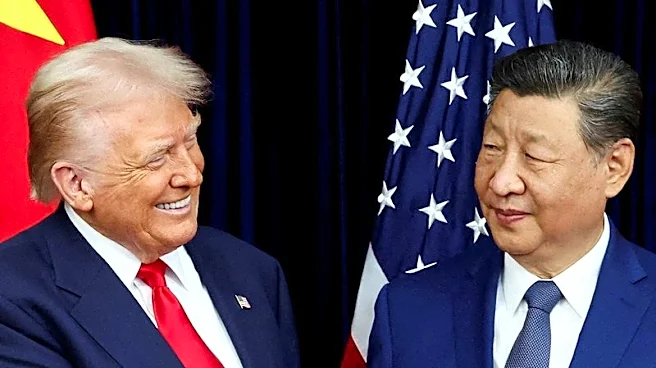
The EU-US trade deal, initially brokered by President Trump and European Commission President Ursula von der Leyen, is under pressure due to new tariff threats from the U.S. President. The ratification of the Turnberry agreement has been stalled following
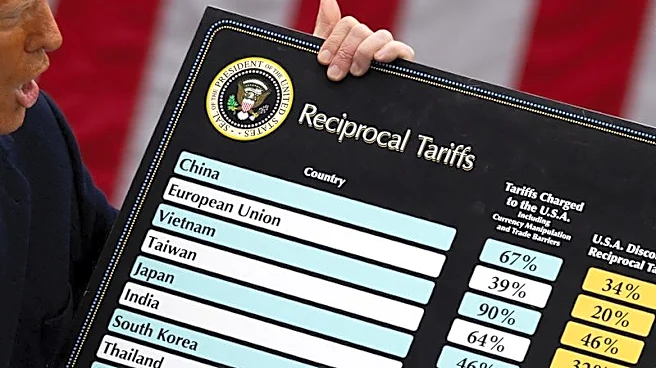
the Supreme Court's ruling that Trump's International Emergency Economic Powers Act tariffs were unlawful. President Trump has threatened to impose new 25% duties on the EU's automotive sector, citing non-compliance with the deal's terms. This has led to renewed discussions among EU officials on how to proceed with the agreement, with some advocating for stronger protections for European markets.
Why It's Important?
The tensions surrounding the EU-US trade deal highlight the complexities of international trade agreements and the impact of unilateral tariff actions. President Trump's threats to impose higher tariffs on the EU's automotive sector could strain transatlantic relations and disrupt trade flows. The situation underscores the challenges of maintaining stable trade partnerships in the face of shifting political and economic priorities. The outcome of these negotiations could have significant implications for industries on both sides of the Atlantic, particularly the automotive sector, which is a major component of EU exports to the U.S.
What's Next?
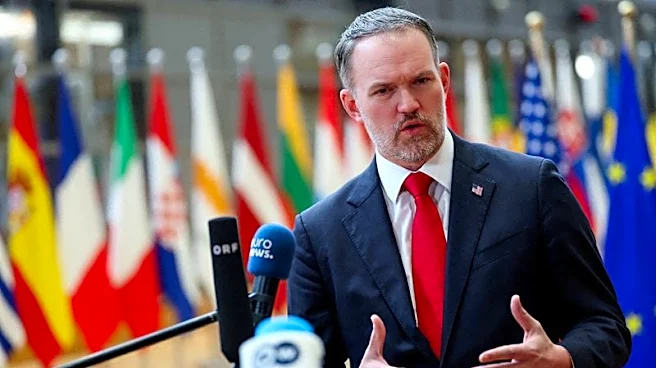
EU officials are considering various approaches to address the challenges posed by the U.S. tariff threats. Some European countries are pushing for the swift ratification of the Turnberry agreement without changes, while others support adding provisions to protect European markets. The ongoing discussions at the G7 meeting in Paris will be crucial in determining the future of the trade deal. The EU is also seeking assurances from the U.S. to uphold its commitments under the agreement. The resolution of these issues will be critical in shaping the future of EU-US trade relations.