






What's Happening?
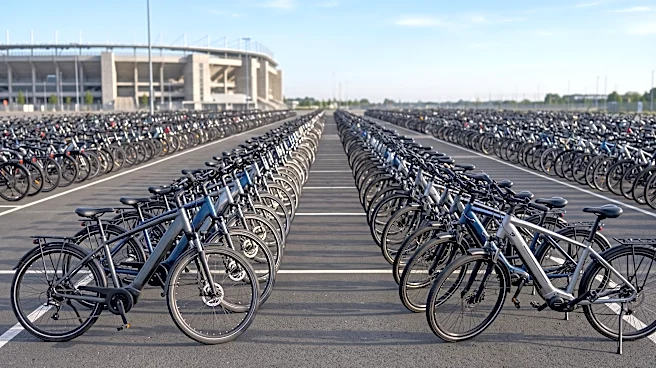
Orange County, California, recently conducted its first electric vehicle buyback program, which saw nearly 1,000 e-bikes, e-motorcycles, e-scooters, and pocket bikes surrendered. The event, held at Angel Stadium, exceeded organizers' expectations, with
all $110,000 worth of gift cards distributed within two hours of its start. Participants exchanged their electric vehicles for gift cards ranging from $200 to $1,000, redeemable at major retailers like Target, Walmart, and Dick’s Sporting Goods. District Attorney Todd Spitzer stated that the funds for the gift cards were sourced from criminal enterprises and specifically earmarked for crime prevention efforts. The sheer volume of surrendered vehicles, enough to fill nine 26-foot U-Haul trucks, highlighted the significant demand for such a program and the unexpected number of electric vehicles in circulation that residents were willing to turn in.
Why It's Important?
This successful e-bike buyback program in Orange County holds significant implications for public safety, urban planning, and crime prevention. The high turnout suggests a substantial number of potentially unsafe or illegally modified electric vehicles in the community, which can pose risks to riders and pedestrians. By removing these vehicles from circulation, the program contributes to safer streets and reduces the potential for accidents. Furthermore, the initiative's funding mechanism, utilizing money seized from criminal enterprises, demonstrates an innovative approach to repurposing illicit gains for community benefit. This model could be replicated in other cities facing similar challenges with unregulated electric vehicle use. The program also highlights a growing trend in micromobility and the need for municipalities to adapt with policies and programs that address the safety and regulatory aspects of these evolving transportation methods, ensuring they integrate safely into urban environments.
What's Next?
Given the overwhelming success and demand, Orange County officials, including District Attorney Todd Spitzer, are likely to consider organizing future e-bike buyback events. The experience from this initial program will inform planning for subsequent initiatives, particularly regarding budgeting for gift cards and managing turnout. Other municipalities across California and the U.S. might look to Orange County's model as a blueprint for addressing similar issues related to electric vehicle safety and regulation. This could lead to a broader adoption of such buyback programs, potentially coupled with public awareness campaigns about safe e-bike usage and local regulations. Additionally, the success of this program might spur discussions on more comprehensive regulatory frameworks for electric micromobility devices, including registration, licensing, and safety standards, to better integrate them into urban transportation systems.
Beyond the Headlines
The Orange County e-bike buyback program subtly points to a larger societal shift in transportation and urban living, where personal electric vehicles are becoming increasingly prevalent. While offering convenience and environmental benefits, the rapid proliferation of these devices has outpaced regulatory frameworks, leading to safety concerns, conflicts with traditional traffic, and questions about their legal status. This program, by offering an incentive for voluntary surrender, addresses an immediate public safety need without resorting to punitive measures. It also underscores the evolving role of law enforcement and local government in adapting to new technologies and their societal impacts. The use of funds from criminal enterprises for community betterment also reflects a creative approach to restorative justice, turning negative societal impacts into positive community outcomes. This initiative could serve as a case study for how communities can proactively manage technological disruption in a way that prioritizes public welfare.