


What's Happening?
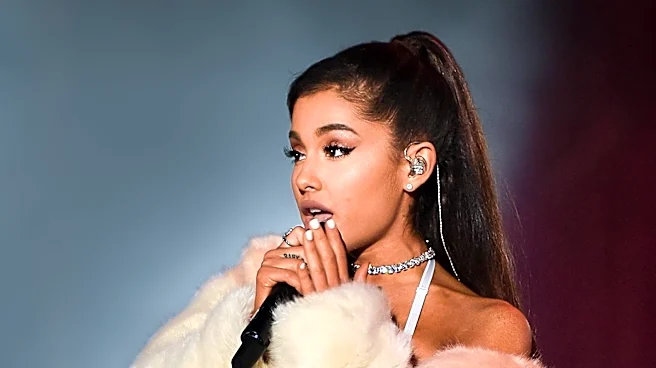
For the second time this summer, pop star Ariana Grande has publicly criticized President Trump's administration for using her music without authorization in a social media post. The Team Trump account on TikTok used Grande's song 'We Can't Be Friends
(Wait For Your Love)' in a video featuring President Trump speaking, with overlaid text quoting lyrics and adding a political statement: 'Me and my truth we sit in silence… men can't have babies and should never compete in women's sports.' The post's caption further stated, 'This shouldn't be controversial!' and tagged Grande. Grande responded in the comment section, stating, 'Never use my music again. Also your truth is false.' Subsequently, the sound was disengaged from the post, and Grande’s comment was reportedly removed, though screenshots have been widely reposted by the public. This incident follows a similar criticism from Grande in mid-June regarding the administration's use of her song 'Bye' in a video about immigration policy.
Why It's Important?
This incident highlights the ongoing tension between political campaigns and artists over the unauthorized use of music for political messaging. While campaigns can obtain licenses from music-rights organizations, many artists object to their work being associated with specific political figures or policies, especially when those views conflict with their own. The use of popular music in political advertisements and social media posts is a common tactic to engage audiences, but it often leads to legal disputes and public backlash from artists who feel their creative work is being misappropriated. This situation underscores the complexities of copyright law in the digital age and the challenges artists face in controlling the narrative around their intellectual property, particularly when it intersects with political discourse. The repeated nature of these incidents suggests a broader pattern of campaigns using music despite artists' objections, raising questions about respect for artistic rights and the ethical boundaries of political communication.
What's Next?
Following Ariana Grande's public objection, the Trump campaign has already disengaged the sound from the TikTok post and removed her comment, indicating a reactive measure to the controversy. However, similar past incidents involving other artists like Taylor Swift and Bad Bunny have led to their music being removed or muted from Team Trump's social videos, often through copyright infringement claims. It is possible that Grande's team may pursue further action, such as issuing a cease and desist order or filing a copyright infringement claim, to prevent future unauthorized use of her music. This event could also prompt other artists to be more proactive in protecting their music from political appropriation, potentially leading to more explicit contractual clauses or public statements regarding political use. The ongoing debate may also encourage platforms like TikTok to implement stricter policies or more efficient mechanisms for artists to report and remove unauthorized political use of their content.
Beyond the Headlines
Beyond the immediate dispute, this situation reflects a deeper cultural and legal struggle over intellectual property rights in the political arena. The ease with which digital content can be shared and repurposed on social media platforms creates a fertile ground for such conflicts. Artists often view their music as an extension of their personal brand and values, making its association with political campaigns they do not support a significant ethical concern. This issue also touches upon the broader debate about freedom of speech versus copyright protection, particularly when political expression is involved. The repeated nature of these incidents suggests a systemic challenge for artists to control the narrative and usage of their work in an increasingly politicized and digital landscape, potentially leading to calls for legislative changes or industry-wide agreements to better protect artists' rights from political exploitation.