





What's Happening?
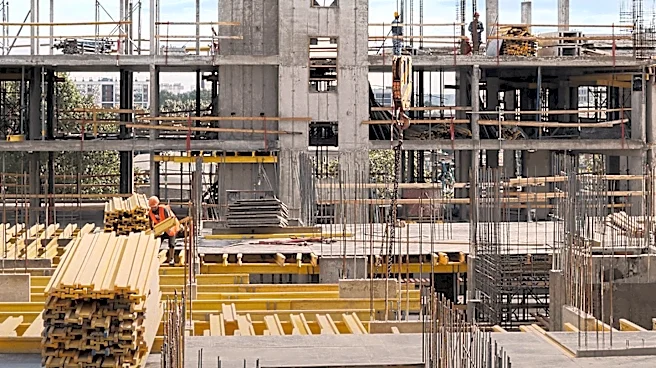
Chicago has witnessed a significant increase in the construction of five-story buildings following the implementation of the 2019 building code reforms. These reforms allowed developers to use Type III construction for five-story buildings, a method previously
limited to four stories. Type III construction, which is noncombustible on the exterior but allows for wood or less flame-resistant metal framing inside, is more cost-effective than the fully noncombustible Type I construction. This change has made it financially viable for developers to build more five-story structures, leading to a more than 100% increase in such developments. The Connected Communities Ordinance of 2022, which reduced parking requirements in higher-density residential zones, also contributed to this trend by allowing more flexibility in building design and location.
Why It's Important?
The shift in building codes and parking requirements has significant implications for Chicago's urban landscape and housing market. By making it cheaper to construct five-story buildings, the city has enabled a middle-ground density that can accommodate more residents without the need for high-rise developments. This change supports urban infill and can help address housing shortages by increasing the availability of residential units. Additionally, the reduction in parking requirements aligns with sustainable urban planning practices, encouraging the use of public transportation and reducing reliance on cars. These developments could lead to more vibrant, walkable neighborhoods and potentially lower housing costs due to increased supply.
What's Next?
As the effects of the building code reforms and parking flexibility continue to unfold, it is likely that more developers will take advantage of these opportunities, leading to further growth in five-story developments. This trend may prompt additional policy adjustments to support sustainable urban growth and address any emerging challenges, such as infrastructure demands or community resistance. Stakeholders, including city planners, developers, and residents, will need to collaborate to ensure that the benefits of these changes are maximized while mitigating any negative impacts.
Beyond the Headlines
The interaction between building codes and parking requirements highlights the complex dynamics of urban development policy. These changes not only affect the physical landscape but also have broader social and economic implications. For instance, the increased density could lead to more diverse communities and economic opportunities, while also raising questions about the preservation of neighborhood character and the equitable distribution of resources. As cities like Chicago continue to evolve, understanding these deeper implications will be crucial for creating inclusive and resilient urban environments.