


What's Happening?
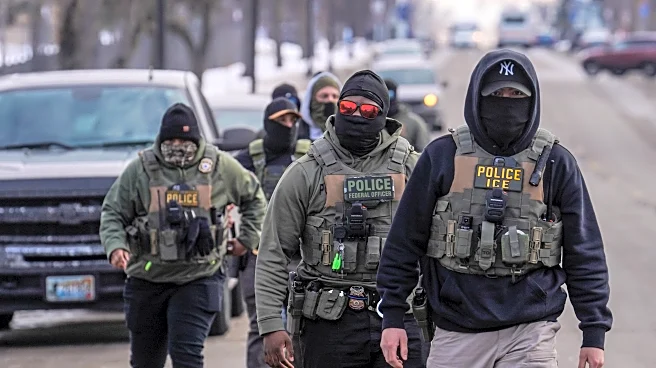
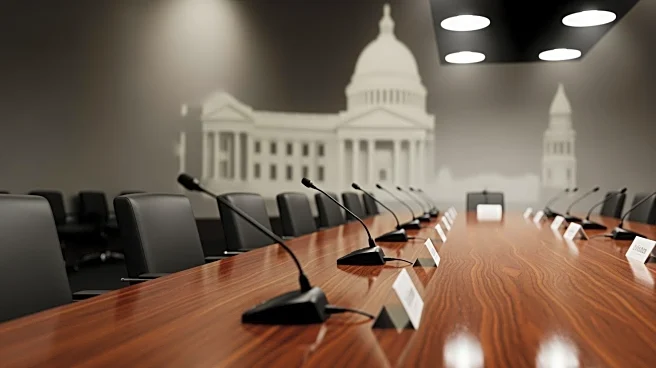
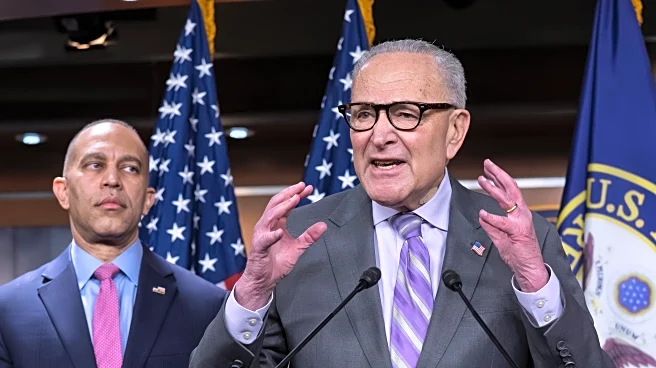
Federal immigration officials defended their enforcement tactics during a House Homeland Security Committee hearing, which focused on two fatal enforcement incidents in Minnesota and broader immigration policy. The hearing, held on February 10, 2026,
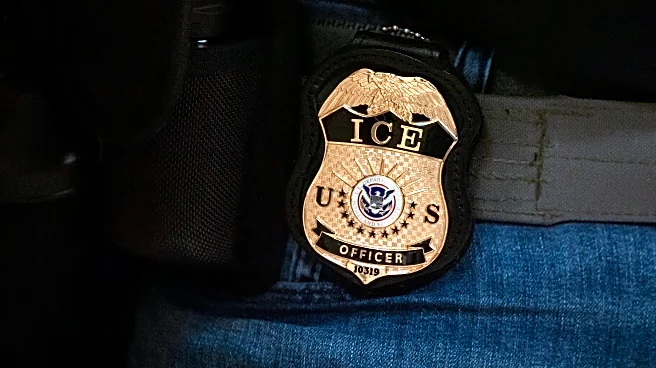
in Washington, D.C., involved questioning of leaders from U.S. Immigration and Customs Enforcement (ICE), U.S. Customs and Border Protection (CBP), and U.S. Citizenship and Immigration Services (USCIS). Lawmakers scrutinized the use of force standards, deportation operations, and body camera deployment amid ongoing federal investigations into the January shootings in Minnesota. The incidents, which resulted in the deaths of two American citizens, Renee Good and Alex Pretti, are under review by the FBI, the Department of Homeland Security, and the Justice Department’s Civil Rights Division. Acting ICE Director Todd Lyons and CBP Commissioner Rodney Scott assured the committee of full investigative reports once reviews conclude.
Why It's Important?
The hearing underscores the contentious nature of immigration enforcement in the U.S., highlighting the balance between national security and civil rights. The scrutiny of ICE and CBP tactics reflects broader concerns about federal use of force and transparency in immigration operations. The Minnesota incidents have intensified debates over accountability and the effectiveness of body cameras as a transparency measure. The outcome of these investigations could influence future immigration policies and enforcement practices, potentially affecting how federal agencies interact with local authorities and manage public safety. The hearing also reflects ongoing political tensions, with lawmakers divided on the administration's enforcement posture and the prioritization of deportation operations.
What's Next?
Federal investigations into the Minnesota shootings are ongoing, with no timeline provided for the release of findings. Congress may conduct additional oversight depending on the results of these investigations. The hearing suggests potential changes in immigration enforcement policies, particularly regarding the use of force and cooperation with local authorities. The outcome of these investigations could lead to legislative actions aimed at reforming federal immigration practices and enhancing accountability measures, such as the expanded use of body cameras.