







What's Happening?
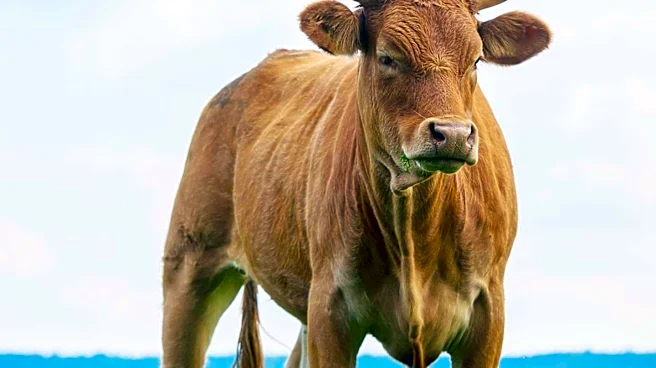
The Minnesota Board of Animal Health has confirmed a case of rabies in a cow in Brown County, Minnesota, which was euthanized last week after exhibiting unusual behavior. The cow's brain tissue tested positive for the rabies virus on September 8. Following
the confirmation, public health officials recommended that nine individuals who had direct contact with the animal or its saliva seek rabies post-exposure prophylaxis (PEP). These individuals include the cow's owner, the owner's daughter, two minor children, two veterinarians, and three veterinary technicians. The Board has quarantined 13 other cows on the same farm for monitoring and is observing over 40 additional cattle, a vaccinated horse, and three vaccinated dogs for symptoms. Two unvaccinated barn cats likely exposed to the rabid cow were euthanized.
Why It's Important?
This confirmed case of rabies is significant due to the direct human exposure and the potential for wider animal transmission. Rabies is a fatal disease once symptoms appear, making prompt post-exposure prophylaxis crucial for exposed individuals. The incident highlights the ongoing threat of zoonotic diseases, particularly in agricultural settings where humans and animals frequently interact. It also underscores the importance of biosecurity measures and proper personal protective equipment when handling sick animals. For the agricultural community, such an outbreak can lead to economic losses due to animal quarantines, euthanasia, and veterinary costs. The case serves as a stark reminder of the need for vigilance, vaccination, and rapid response protocols to prevent the spread of this deadly virus.
What's Next?
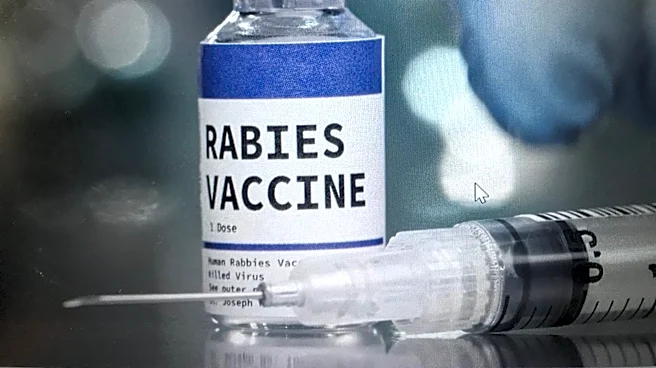
The nine individuals advised for PEP will undergo a series of vaccinations to prevent the onset of rabies. The quarantined animals on the Brown County farm will continue to be monitored for symptoms for an extended period, ranging from 45 to 180 days, depending on their vaccination status. The Minnesota Department of Health and the Board of Animal Health will likely conduct further investigations to determine the source of the infection, with skunks and bats being the most common carriers in Minnesota. Public health officials will continue to educate the community on rabies prevention, emphasizing the importance of vaccinating domestic animals and exercising caution around wildlife. This incident may also prompt a review of biosecurity practices on farms in the region.
Beyond the Headlines
This event brings to light the often-overlooked risks associated with animal husbandry and the critical role of public health infrastructure in preventing disease outbreaks. The emotional toll on farmers who must euthanize animals and the anxiety faced by those exposed to rabies are significant, extending beyond the immediate health concerns. The incident also highlights the ecological balance, as wild animals like skunks and bats serve as natural reservoirs for the virus, underscoring the interconnectedness of wildlife health, livestock health, and human health. The need for robust veterinary public health services and accessible post-exposure treatment is paramount, especially in rural areas where access to specialized medical care might be limited. This case serves as a powerful reminder of the constant threat of infectious diseases and the importance of a 'One Health' approach to public safety.