
What's Happening?
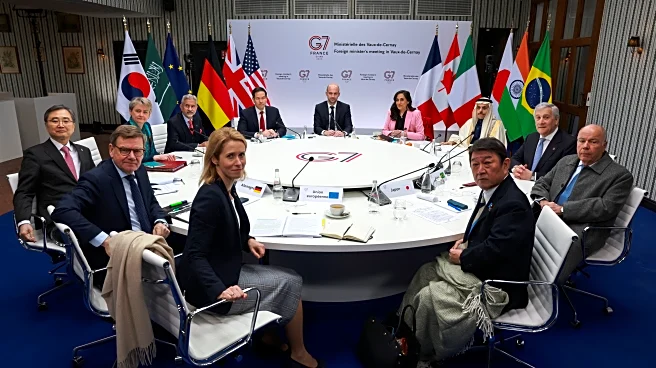
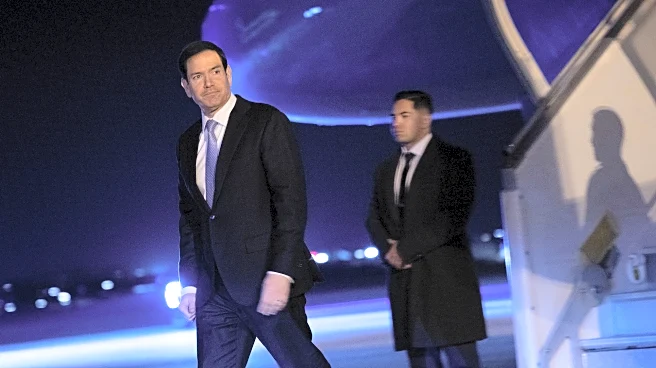
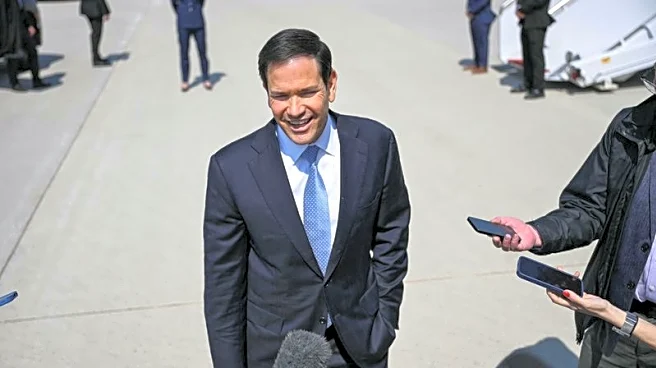
U.S. Secretary of State Marco Rubio has expressed optimism that the ongoing conflict with Iran could conclude in a matter of weeks. Speaking at a G7 foreign ministers meeting in Paris, Rubio's comments come amid heightened tensions and military engagements
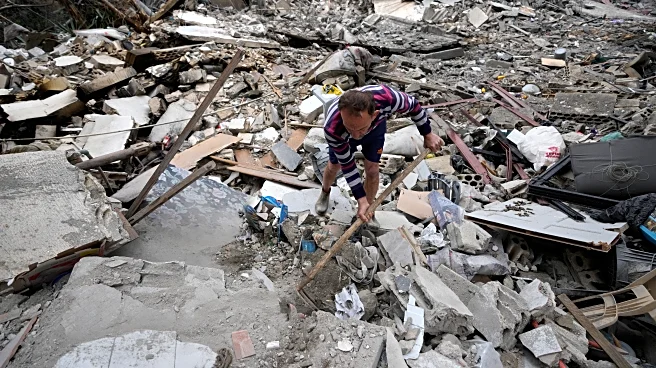
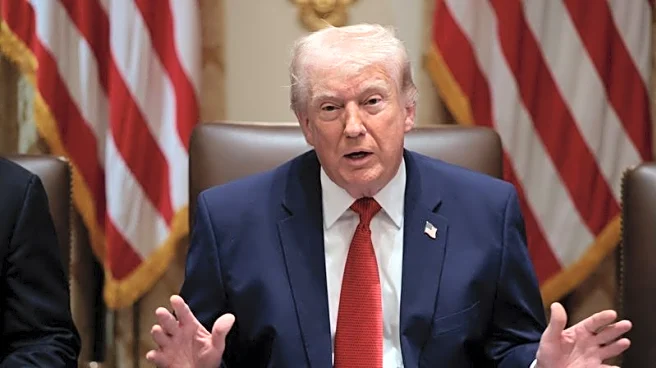
in the region. President Trump has reiterated demands for Iran to open the Strait of Hormuz to international shipping, a critical passage for global oil supplies. The BBC has reported from Tehran, providing rare insights into the situation on the ground after four weeks of conflict.
Why It's Important?
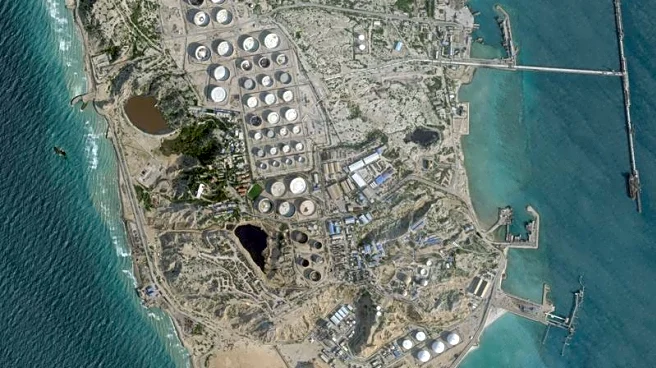
The potential resolution of the conflict with Iran could have significant implications for international relations and global oil markets. The Strait of Hormuz is a strategic chokepoint, and its closure has disrupted oil supplies, affecting global prices. A peaceful resolution could stabilize markets and reduce geopolitical tensions. However, the situation remains volatile, and the outcome is uncertain. The conflict also highlights broader issues of U.S. foreign policy and its approach to Middle Eastern geopolitics.
What's Next?
If the conflict does indeed conclude soon, attention will likely shift to diplomatic efforts to ensure long-term stability in the region. The U.S. and its allies may engage in negotiations with Iran to address underlying issues and prevent future escalations. The international community will be closely monitoring developments, particularly regarding Iran's compliance with international shipping norms and any potential shifts in U.S. foreign policy under President Trump's administration.