







What's Happening?
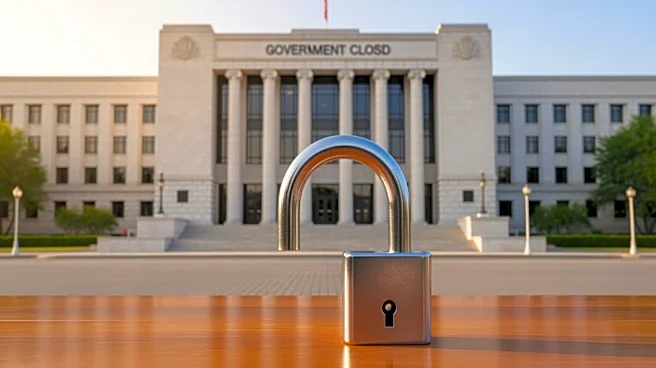
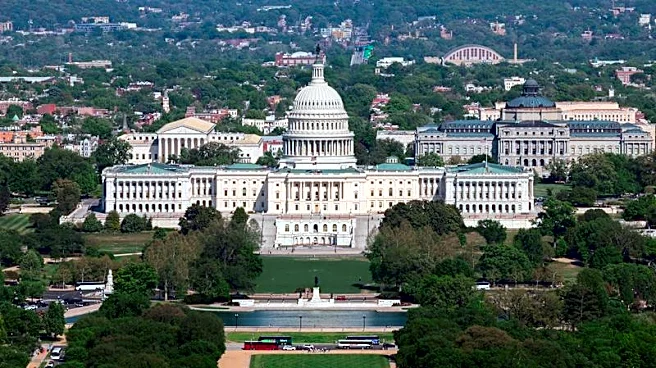
The U.S. House of Representatives has voted to reopen most of the Department of Homeland Security (DHS) after a 75-day shutdown, the longest in U.S. history. The funding measure, passed by voice vote, restores financial support to agencies like the Coast
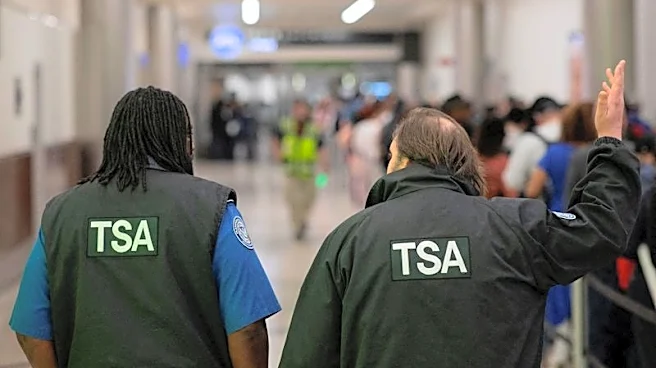
Guard, TSA, and FEMA, but excludes Immigration and Customs Enforcement (ICE) and Customs and Border Protection (CBP). The shutdown had caused significant disruptions, including unpaid federal employees and long airport wait times. The bill now awaits President Trump's signature, while ICE and CBP are expected to be funded through a separate resolution.
Why It's Important?
Ending the DHS shutdown is critical for restoring normal operations to essential federal agencies, ensuring national security and public safety. The exclusion of ICE and CBP from the funding bill highlights ongoing political disagreements over immigration enforcement. The shutdown had significant impacts on federal employees and public services, emphasizing the need for a more comprehensive funding solution. The resolution of this issue may provide temporary relief, but the lack of consensus on immigration funding suggests further political negotiations are likely.
What's Next?
The future funding of ICE and CBP remains unresolved, with a separate budget resolution expected to address these agencies. Political leaders will need to negotiate terms that satisfy both parties, particularly concerning immigration enforcement reforms. The outcome of these negotiations could influence future immigration policies and federal budget allocations. Stakeholders, including political leaders and civil society groups, will likely continue to advocate for their positions on immigration and border security.