







What's Happening?
As the back-to-school season approaches, American families are facing increased costs for school supplies and lunches, driven by higher tariffs on imported goods. According to research from The Century Foundation and Groundwork Collaborative, the cost of
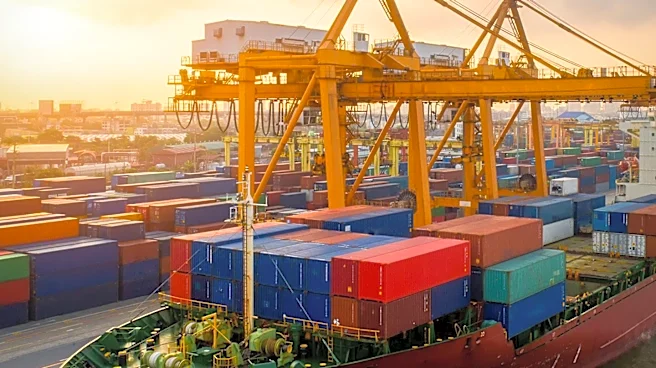
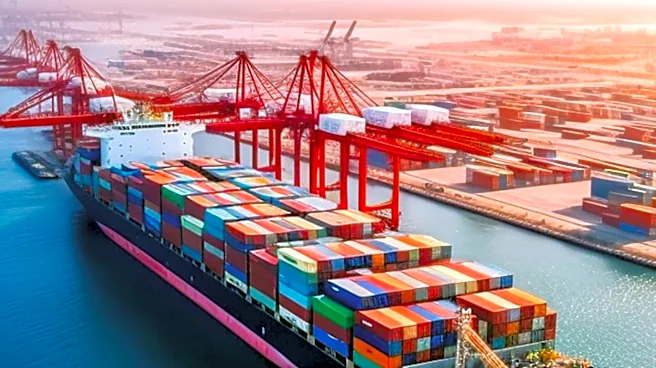
a typical basket of school items has risen by nearly 8% compared to the previous year. This includes a significant increase in prices for items such as notebooks, lunch boxes, and index cards. The analysis indicates that families will spend approximately $4,000 per student on school supplies and lunches this year. The rise in costs is attributed to steeper U.S. tariffs on a range of imports, which have affected the prices of many school essentials manufactured overseas. Companies like Newell Brands and Logitech have cited increased tariff costs as reasons for price hikes. Additionally, higher energy costs due to geopolitical tensions have further contributed to the rising expenses.
Why It's Important?
The increased costs of school supplies and lunches have significant implications for American families, particularly those with limited financial resources. The necessity to allocate more funds for educational expenses may lead families to cut back on other household expenditures or incur debt. This situation highlights the broader economic impact of trade policies and tariffs on everyday consumer goods. The tariffs, intended to protect domestic industries, have inadvertently increased the financial burden on consumers, particularly in sectors heavily reliant on imported goods. The situation underscores the interconnectedness of global trade policies and domestic economic conditions, affecting not only businesses but also individual households.
What's Next?
As families navigate these increased costs, there may be calls for policy adjustments to alleviate the financial burden on consumers. Stakeholders, including educational institutions and consumer advocacy groups, might advocate for measures to mitigate the impact of tariffs on essential goods. Additionally, businesses may seek to adjust their supply chains to reduce reliance on imported materials subject to tariffs. The ongoing geopolitical tensions and their impact on energy prices will also be closely monitored, as they continue to influence the cost of goods and services.