




What's Happening?
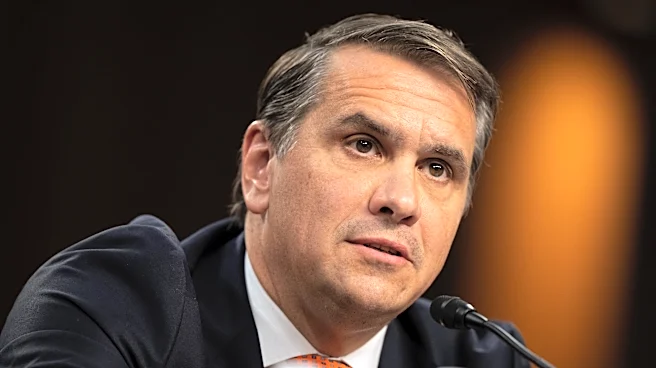
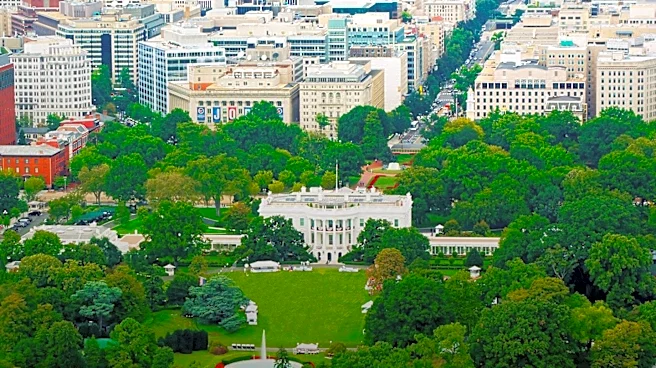
The Department of Justice, under newly confirmed Attorney General Todd Blanche, issued a memo on executive privilege that has been criticized for potentially shielding President Trump's advisers from accountability. The memo asserts that presidential
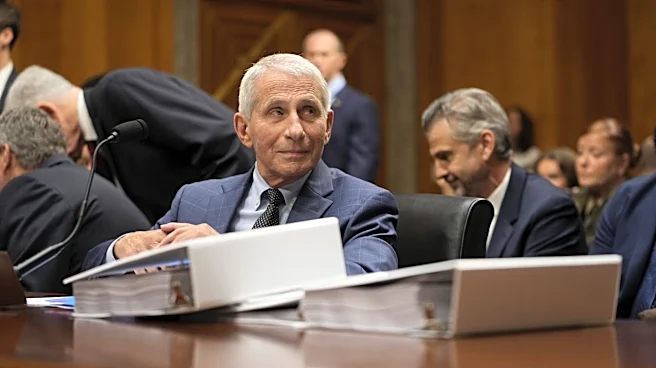
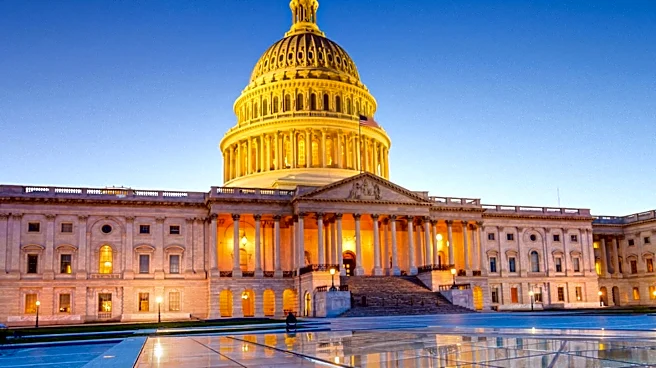
communications with private advisers can be protected if they relate to official decision-making. Critics argue this move is designed to protect Trump and his inner circle from congressional investigations, particularly as Democrats may gain control of Congress and pursue further inquiries into Trump's activities.
Why It's Important?
The DOJ's stance on executive privilege could have significant implications for transparency and accountability in government. By potentially limiting congressional oversight, the memo may hinder efforts to investigate presidential actions and hold officials accountable. This development is particularly relevant as Democrats aim to regain control of Congress, where they could initiate investigations into Trump's administration. The memo's interpretation of executive privilege may set a precedent for future administrations, affecting the balance of power between the executive branch and Congress.
What's Next?
If Democrats gain control of Congress, they are likely to challenge the DOJ's interpretation of executive privilege, potentially leading to legal battles over the scope of presidential confidentiality. These disputes could reach the courts, where decisions may redefine the limits of executive privilege. The political landscape will also influence the extent to which Congress can pursue investigations into Trump's administration, with potential implications for future legislative and executive interactions.