




What's Happening?
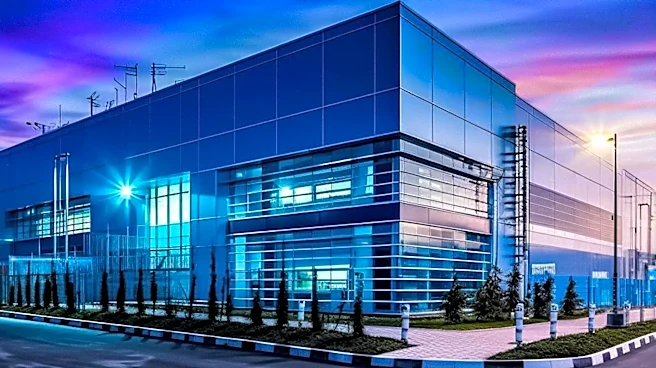
Cloverleaf Infrastructure is moving forward with plans to develop Project Open Sky, a massive data center campus spanning 633 acres, with potential for up to six data centers, in Piedmont, Oklahoma. The company has announced it will begin development
on newly acquired adjacent land in Kingfisher County, ensuring the project proceeds regardless of the Piedmont City Council's decision. This development comes amidst significant local opposition, particularly from residents like Scott and Bethany Morrow, whose home is located just 300 feet from the proposed site. Concerns raised by residents include increased noise, water usage, and potential pollution. The Piedmont City Council is scheduled to discuss Project Open Sky, but Cloverleaf CEO David Berry stated that the project would move forward even if the city declines to approve it, citing less regulation in unincorporated areas. The project is estimated to bring at least $9 million in annual tax revenue to Piedmont.
Why It's Important?
The proposed data center campus in Piedmont, Oklahoma, highlights a growing tension between economic development and community concerns in rural areas across the U.S. While the project promises substantial tax revenue for the City of Piedmont, potentially transforming the small community, it also raises significant environmental and quality-of-life issues for local residents. The debate underscores the challenges municipalities face in balancing industrial growth with the preservation of residential tranquility and natural resources. The company's assertion that the project will proceed regardless of city approval, by developing on adjacent land, also brings into question the extent of local control over large-scale industrial developments. This situation could set a precedent for how similar projects are handled in other rural communities, influencing future land use policies and community engagement strategies for large corporations.
What's Next?
The Piedmont City Council is set to discuss Project Open Sky during its upcoming meeting. Despite Cloverleaf Infrastructure's announcement that the project will proceed on newly acquired land regardless of the city's decision, the council's vote remains significant for the potential for the data center to be built within city limits, which would entail higher tax revenues for Piedmont. Residents, including the Morrows, are actively campaigning, having launched petitions for a moratorium on data centers, a ban on noise, and a requirement for citizen approval based on impact studies. The outcome of the city council meeting and the ongoing community activism will determine the immediate future of the project's location and the level of regulatory oversight it will face. The state's recently passed Data Center Consumer Ratepayer Protection Act of 2026 and Groundwater Modernization Act will also play a role in mitigating some of the environmental concerns.
Beyond the Headlines
This situation in Piedmont delves into the broader ethical and legal implications of industrial expansion into residential areas. The conflict between a company's right to develop and a community's right to preserve its quality of life is a recurring theme in modern development. The Morrows' personal struggle highlights the human cost often associated with large-scale projects, where individual homes and lifestyles can be drastically altered. The company's strategy of acquiring adjacent land to bypass local approval raises questions about corporate responsibility and the effectiveness of local governance in regulating powerful entities. Furthermore, the debate over water and electricity consumption by data centers, especially in regions prone to resource scarcity, points to a larger national conversation about sustainable development and the environmental footprint of the digital age. This case could influence future legislative efforts to protect communities from the adverse effects of rapid industrialization.