


What's Happening?
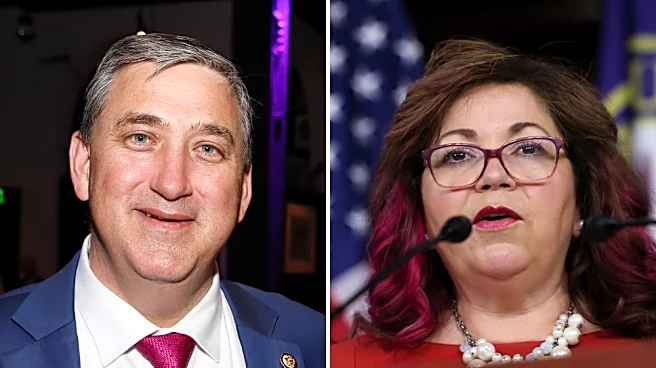
U.S. Rep. Tony Wied (R-Wis.) has introduced a resolution, H. Res. 1477, to recognize August 2026 as National Shooting Sports Month. This resolution aims to honor the contributions of firearm manufacturers to the economy, culture, and recreational heritage
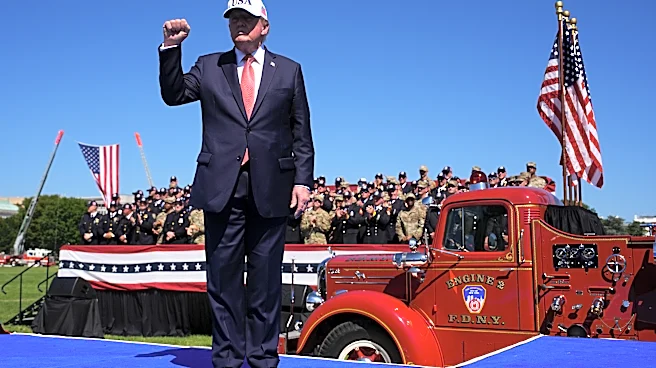
of the United States. The initiative coincides with widespread support for National Shooting Sports Month, which saw participation from various states and members of Congress. Nineteen state governors issued official proclamations, and President Trump released a Presidential Message commemorating the month. The National Shooting Sports Month, in its 10th annual observance, carried the tagline 'Let Freedom Plink' to celebrate marksmanship, responsibility, and freedom through shooting sports. The event garnered significant online engagement, with over 30,000 social media interactions and increased web traffic to its official page. Ranges and clubs across the nation hosted events, sales promotions, and introductory classes, contributing to the success of the month-long celebration.
Why It's Important?
The introduction of H. Res. 1477 by U.S. Rep. Tony Wied underscores the political recognition of the firearm industry's economic and cultural impact in the United States. This legislative effort highlights the industry's role in contributing to the national economy, particularly through excise taxes on firearms and ammunition, which generated over $842 million for the Wildlife Restoration program in fiscal year 2026. The resolution also emphasizes the recreational heritage associated with shooting sports, connecting millions of Americans to outdoor activities and instilling discipline. The broad support from state governors and President Trump further solidifies the political and societal acceptance of these activities. For the firearm industry, such resolutions can bolster public perception and potentially influence policy discussions related to gun ownership and recreational shooting, benefiting manufacturers, retailers, and shooting ranges. Conversely, it may draw criticism from groups advocating for stricter gun control, intensifying the ongoing debate surrounding Second Amendment rights and public safety.
What's Next?
Following the introduction of H. Res. 1477 by U.S. Rep. Tony Wied, the resolution will proceed through the legislative process in the House of Representatives. Its passage would formally recognize August 2026 as National Shooting Sports Month, potentially encouraging continued and expanded participation in future observances. The National Shooting Sports Foundation (NSSF), the trade association for the firearm industry, will likely continue its efforts to promote shooting sports and advocate for policies that support the industry. The ongoing engagement from members of Congress, state officials, and the public suggests that National Shooting Sports Month will remain a significant annual event. Future celebrations may see increased participation from ranges and clubs, as well as continued online engagement through initiatives like the #RangeChallenge. The political discourse surrounding firearm rights and recreational shooting is expected to persist, with this resolution serving as a point of reference for both proponents and opponents of gun-related legislation.
Beyond the Headlines
The resolution introduced by U.S. Rep. Tony Wied extends beyond a mere recognition of a recreational month; it touches upon deeper cultural and constitutional dimensions within the United States. The emphasis on the 'recreational heritage' and 'Second Amendment rights' highlights the ongoing cultural significance of firearms in American society, intertwining sport with fundamental liberties. This legislative action can be seen as a reinforcement of traditional American values for a segment of the population, while for others, it may symbolize a continued resistance to gun control measures. The economic contributions of the firearm industry, particularly through conservation funding, also present a complex ethical consideration, as the industry's products are simultaneously linked to recreational activities and societal debates on violence. This duality underscores the deeply entrenched and often polarized views on firearms in the U.S., where economic benefits and cultural traditions are weighed against concerns for public safety and regulatory oversight. The resolution, therefore, serves as a microcosm of the broader national conversation on gun ownership and its place in contemporary American life.