








What's Happening?
Gas prices across the United States have surged significantly, affecting Memorial Day travel plans for many Americans. According to the American Automobile Association (AAA), the national average gas price on Memorial Day was $4.507 per gallon. This marks
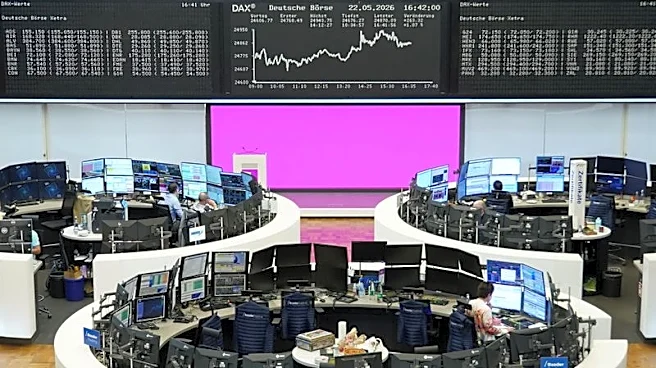
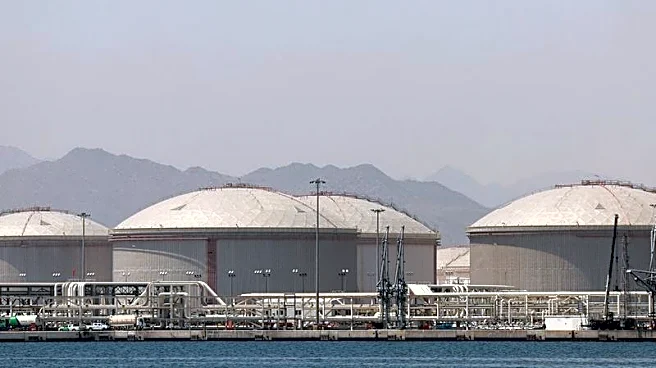
an increase of approximately $1.50 since late February, prior to the U.S. and Israel's joint military actions in Iran, which have led to ongoing conflict in the Middle East. The disruption in oil production and supply, particularly due to the closure of the Strait of Hormuz, has caused a global spike in crude oil prices. California reported the highest state average at $6.12 per gallon, while Mississippi had the lowest at $3.97. The increase in gas prices has reversed a previous downward trend celebrated by the Trump administration earlier in the year.
Why It's Important?
The rise in gas prices has significant economic implications for American consumers, particularly those traveling during the Memorial Day weekend. The increased cost of gasoline is expected to add $2 billion to the expenses of travelers over the holiday period, with an estimated 45 million Americans planning trips of at least 50 miles. This surge in fuel costs comes at a time when inflationary pressures are already affecting household budgets. The situation has also impacted President Trump's approval ratings, which have dropped to their lowest during his second term, as public dissatisfaction grows over the economic strain. The geopolitical tensions in the Middle East and their impact on energy markets underscore the vulnerability of global supply chains to regional conflicts.
What's Next?
There is cautious optimism regarding a potential agreement between the U.S. and Iran to reopen the Strait of Hormuz, which could alleviate some of the pressure on oil prices. However, details of the agreement remain unclear, and no timeline has been established for the reopening. Until a formal agreement is reached and implemented, gas prices are expected to remain elevated. Analysts, such as Patrick De Haan from GasBuddy, advise caution, noting that significant changes in gas prices will depend on the successful negotiation and execution of the deal. The situation remains fluid, with potential implications for both domestic and international energy markets.