

What's Happening?
Oil prices have seen an uptick as negotiations between the United States and Iran have reached a stalemate, leaving geopolitical risk premiums intact. The discussions, which were aimed at addressing issues surrounding Iran's nuclear program, failed to
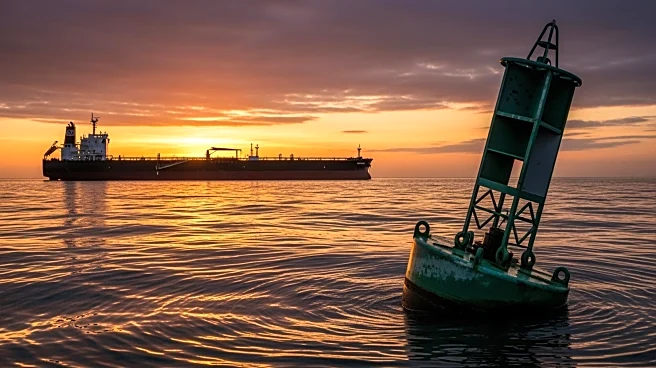
make significant progress, contributing to market caution. Additionally, the European Union is considering a full ban on providing shipping and related services for Russian oil, a move that has been met with strong opposition from Moscow. This geopolitical tension has added a risk premium to oil prices, with market participants also keeping an eye on Venezuela's potential to renew its oil exports.
Why It's Important?
The stalemate in U.S.-Iran talks and the potential EU ban on Russian oil services are significant as they contribute to the volatility in global oil markets. These geopolitical tensions can lead to increased oil prices, affecting various stakeholders, including consumers and industries reliant on oil. Higher oil prices can lead to increased costs for transportation and manufacturing, potentially impacting inflation rates and economic growth. The situation also underscores the complex geopolitical landscape that can influence energy markets, with countries like Venezuela potentially playing a more significant role in global oil supply dynamics.
What's Next?
The ongoing geopolitical tensions suggest that oil prices may continue to experience volatility. Stakeholders will likely monitor any developments in U.S.-Iran relations and the EU's decision on Russian oil services. Additionally, the market will be attentive to any changes in Venezuela's oil export capabilities, which could influence global supply. The situation may prompt further diplomatic efforts to resolve these tensions, as well as strategic adjustments by oil-producing countries to stabilize markets.