





What's Happening?
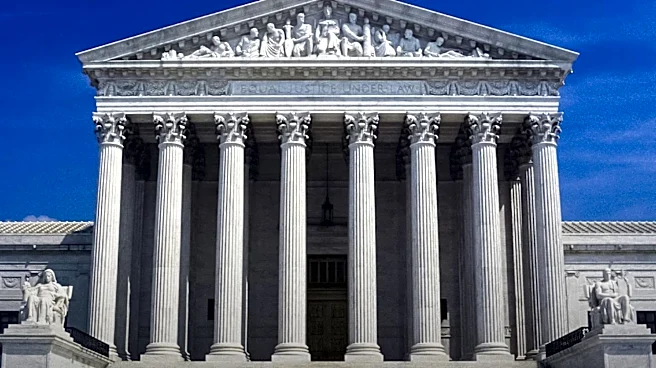
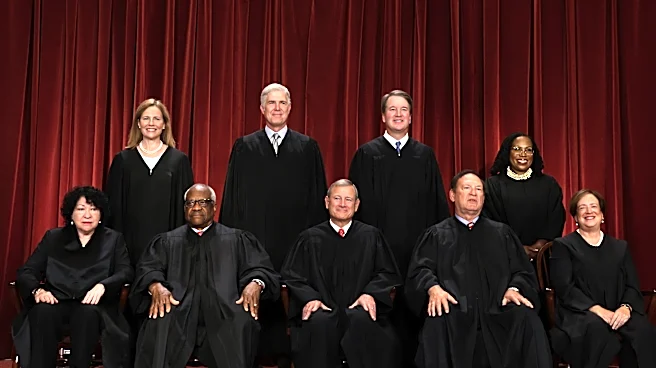
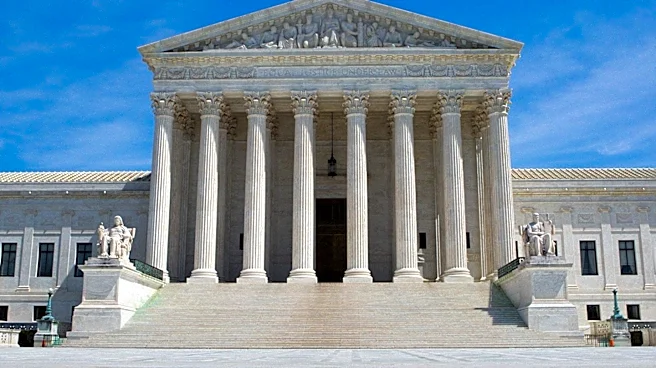
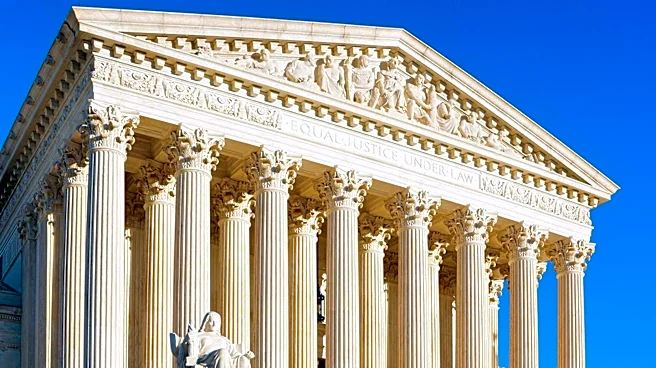
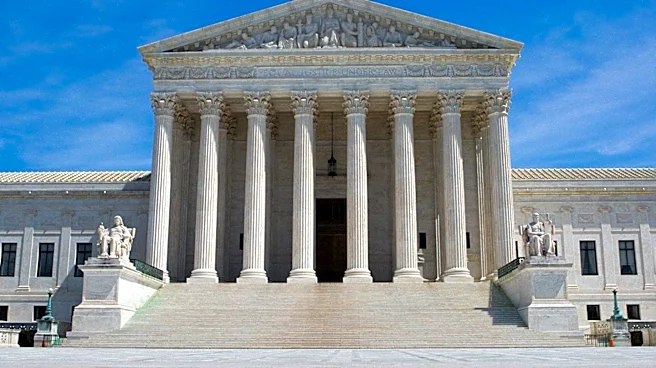
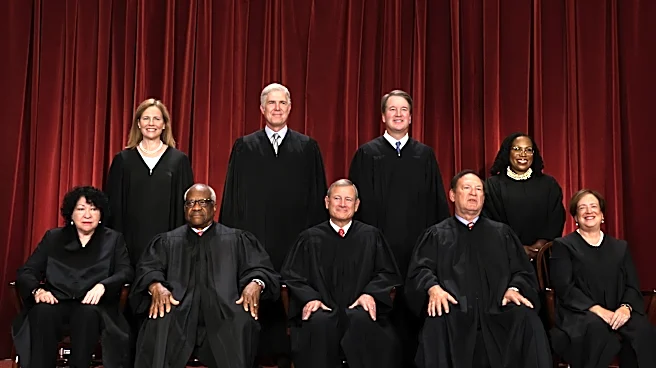
The U.S. Supreme Court is currently deliberating whether state or federal law should govern the payment of attorneys' fees to property owners in condemnation cases involving natural gas companies. The specific case before the justices involves North Dakota
landowners who settled a condemnation dispute with WBI Energy Transmission Inc. The core question is whether these landowners should receive attorneys' fees under North Dakota's laws concerning just compensation. This case has broader implications for situations where private companies, rather than government entities, utilize eminent domain to acquire land for their projects. The Court's decision is also expected to resolve a circuit split that currently exists, particularly with the Eighth Circuit, regarding this legal issue.
Why It's Important?
This Supreme Court case holds significant importance for property owners, energy companies, and the legal framework surrounding eminent domain in the United States. A ruling that favors state law could empower individual states to provide greater protections and compensation for landowners whose property is acquired through condemnation by private entities. Conversely, a decision prioritizing federal law might standardize the process but could potentially limit the ability of states to enact more favorable compensation terms, such as attorney fee recovery. For natural gas companies and other private corporations that rely on eminent domain for infrastructure projects, the outcome will clarify their financial obligations and the legal landscape they must navigate when acquiring land, potentially impacting project costs and timelines. The resolution of the circuit split will also bring much-needed uniformity to this area of law across different federal jurisdictions.
What's Next?
The Supreme Court's decision in this case will establish a precedent regarding the applicability of state versus federal law in eminent domain proceedings, particularly concerning attorneys' fees. This ruling will directly impact how future condemnation cases are handled, especially those involving private companies. Depending on the outcome, state legislatures might consider new laws to either align with federal standards or to further assert state authority within the parameters set by the Court. Energy companies and other private entities that frequently use eminent domain will need to adjust their legal strategies and financial planning to account for the Court's determination on attorney fee responsibilities. The decision will also provide clarity for lower courts and legal practitioners across the country, resolving the existing inconsistencies in how these cases are adjudicated.
Beyond the Headlines
Beyond the immediate legal implications, this case touches upon fundamental questions of property rights and the balance of power between individual landowners, private corporations, and governmental authority. The ability of property owners to recover legal fees can significantly influence their capacity to challenge eminent domain actions, ensuring more equitable negotiations and outcomes. If landowners are consistently burdened with substantial legal costs, it could create a chilling effect, making it harder for them to assert their rights against well-resourced corporations. The Court's decision will therefore not only define a legal technicality but also contribute to the ongoing societal debate about the fairness and accessibility of justice in property disputes, particularly when private interests are granted powers traditionally reserved for the state.