





What's Happening?
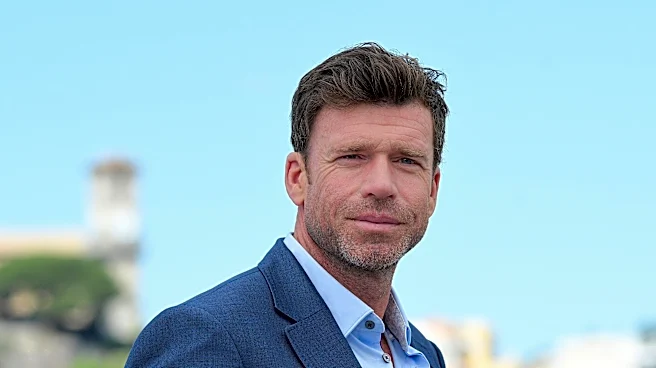
Taylor Sheridan, creator of the 'Yellowstone' franchise, is at the center of a debate in Montana regarding the impact of his productions and other wealthy developers on the state's landscape and culture. Residents, including Yellowstonian founder Todd
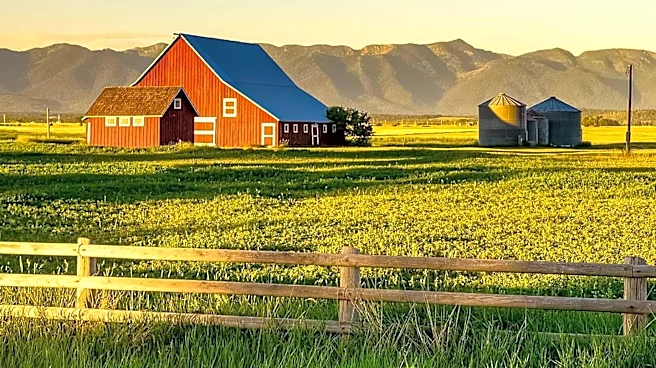
Wilkinson and Dr. Mark Fiege, argue that Sheridan's shows, much like Robert Redford's 'A River Runs Through It' before them, inadvertently attract wealthy outsiders and development, leading to concerns about the 'trophy home colonization' of Montana. This influx is seen as threatening the state's open spaces, wildlife habitats, and the traditional way of life for long-term residents. The essay highlights a growing resentment among Montanans towards rapid development, rising living costs, and the perceived imposition of outsider fantasies on their state, contrasting it with the state's historical values of hard work, community, and conservation.
Why It's Important?
This situation underscores a significant cultural and economic tension in Montana, where the allure of its natural beauty and the romanticized image portrayed in media like 'Yellowstone' are driving rapid development and demographic shifts. The debate reflects a broader national issue concerning the impact of tourism, second-home ownership, and wealth migration on local communities and environments. For Montana, this means a struggle to preserve its unique identity, public lands, and affordable living for its long-term residents. The discussion touches on the ethical responsibilities of influential figures and media creators whose work can inadvertently accelerate these changes. It also highlights the challenge for state and local governments to manage growth while protecting natural resources and the well-being of their citizens, who value wildlife, open space, and community over unchecked development.
What's Next?
The ongoing debate in Montana suggests a continued push by residents to find ways to manage growth and preserve the state's character. This could involve increased advocacy for stricter land-use planning, conservation easements, and taxation policies aimed at mitigating the impact of wealthy newcomers and development. The essay calls for Montanans to leverage their historical values, their state constitution (particularly Article IX:1 on environmental protection), and community organizing to shape the state's future. It also emphasizes the importance of honoring Indigenous peoples, rural workers, and wildlife in any future development plans. The discussion implies a need for a balanced approach that acknowledges the economic realities of tourism and recreation while safeguarding the state's natural and cultural heritage.
Beyond the Headlines
The conflict in Montana extends beyond mere development; it delves into the very definition of 'progress' and who gets to define it. The essay critiques the 'gold rush ideology' of extracting wealth from the land, whether through mining or real estate speculation, and contrasts it with a deeply ingrained conservation ethic among many Montanans. It raises ethical questions about the commodification of natural landscapes and the displacement of local communities by external wealth. The situation also highlights the power of media narratives, like those in 'Yellowstone,' to shape perceptions and drive real-world consequences, sometimes unintended. This dynamic forces a re-evaluation of how cultural products interact with socio-economic realities, prompting a deeper look into the responsibilities of creators and the impact of their work on the places they portray.