
What's Happening?
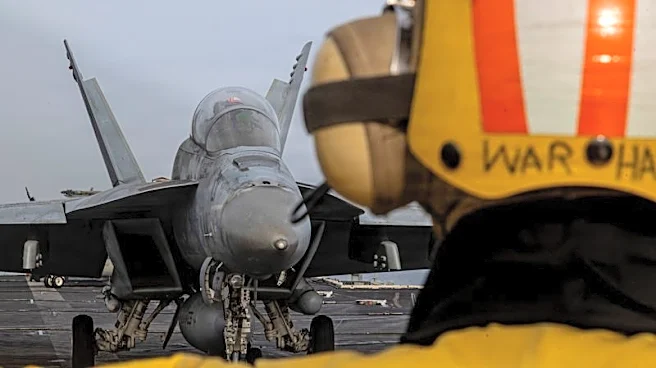
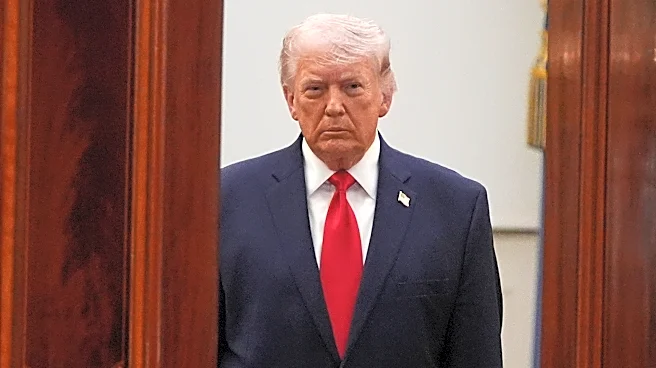
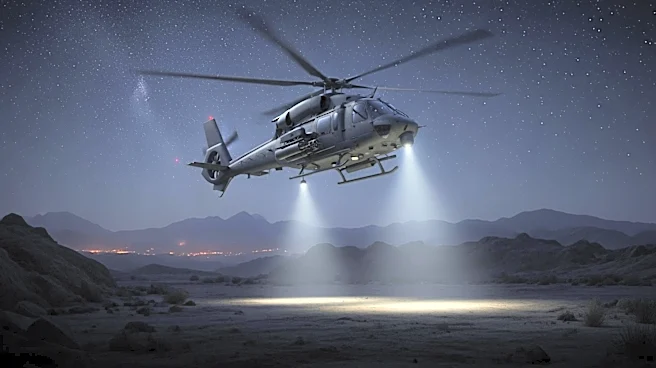
President Trump announced that a U.S. Air Force officer, whose plane was shot down over Iran, was successfully rescued by U.S. forces. The officer, a colonel, was behind enemy lines in the mountainous
region of Iran after ejecting from his F-15 fighter jet. The rescue operation, described by Trump as one of the most daring in U.S. history, involved dozens of aircraft and was supported by Israeli intelligence. The incident is part of ongoing military tensions between the U.S. and Iran, which have intensified since the start of the conflict six weeks ago. During this period, 13 U.S. service members have died, and several others have been injured in various incidents, including airstrikes and an aircraft refueling crash in Iraq.
Why It's Important?
The successful rescue operation underscores the high stakes and complexity of the ongoing conflict between the U.S. and Iran. It highlights the U.S. military's capabilities and the strategic importance of maintaining air dominance in the region. The incident also reflects the broader geopolitical tensions involving Iran, the U.S., and its allies, particularly Israel. The conflict has significant implications for regional stability and global energy markets, given Iran's strategic location near the Strait of Hormuz, a critical passageway for global oil supplies. The situation could further strain U.S.-Iran relations and impact international diplomatic efforts to de-escalate tensions.
What's Next?
As tensions continue to escalate, the U.S. and its allies may increase military operations in the region. President Trump has issued a warning to Iran regarding the Strait of Hormuz, setting a deadline for Iran to open the waterway or face severe consequences. This ultimatum could lead to further military actions if not resolved diplomatically. Additionally, Israel's involvement in the rescue operation and its ongoing military actions against Iran-backed forces in the region may lead to increased hostilities. The international community, including the United Nations, may seek to mediate and prevent further escalation.
Beyond the Headlines
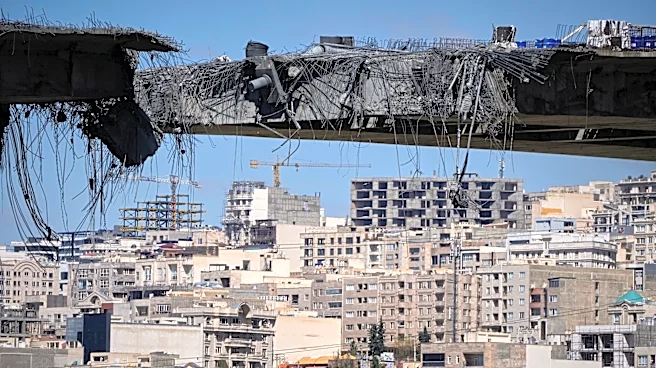
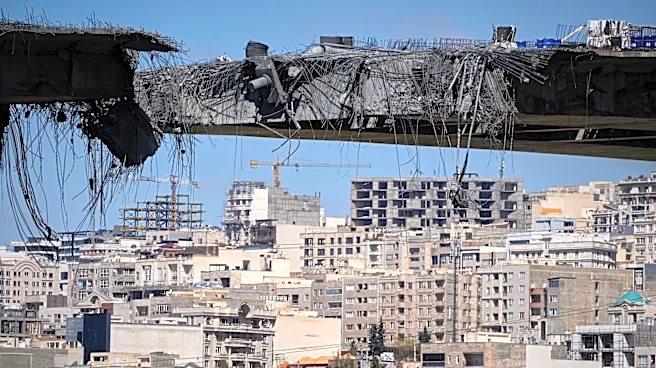
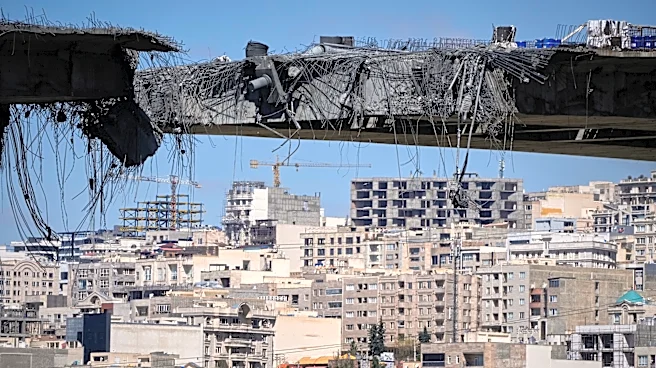
The conflict raises ethical and legal questions about military interventions and the use of force in international relations. It also highlights the challenges of balancing military objectives with humanitarian concerns, as civilian casualties and infrastructure damage continue to rise. The situation may prompt discussions on the role of international law and organizations in conflict resolution and the protection of human rights. Long-term, the conflict could influence global energy policies and the strategic importance of the Middle East in international politics.