





What's Happening?
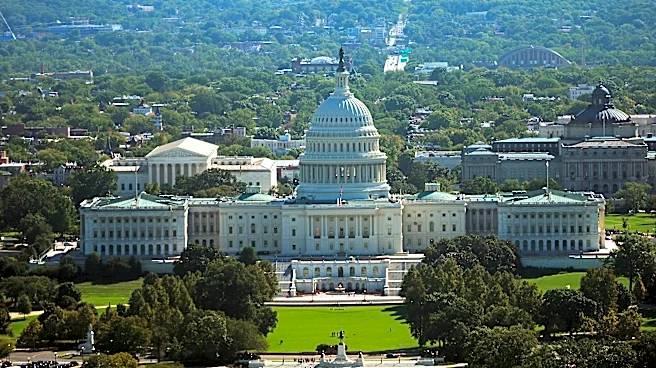
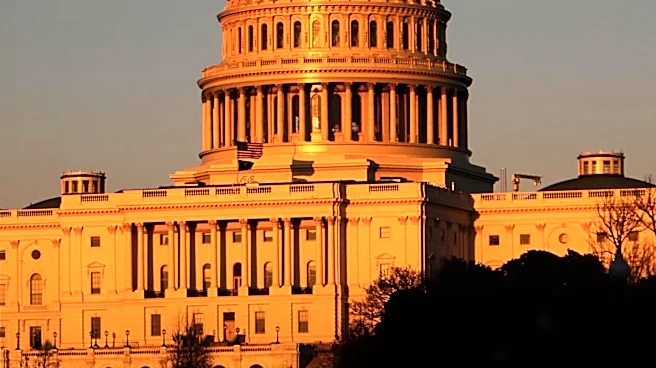
The U.S. House of Representatives has passed legislation, the AM Radio for Every Vehicle Act of 2025, mandating that all automobiles include AM broadcast radio devices. This bipartisan initiative, sponsored by Republican Florida Rep. Gus Bilirakis, aims
to ensure that Americans, particularly those in rural, older, and tribal communities, maintain access to critical information during emergencies. House Energy & Commerce Committee Chairman Brett Guthrie emphasized that AM radio serves as a vital tool for emergency communications when broadband networks fail, providing weather forecasts, local information, and crop reports. The bill directs the Department of Transportation to require vehicle manufacturers to install these devices as standard, easily accessible equipment without additional cost. The legislation notes that some newer vehicles, especially electric vehicles (EVs), have begun to exclude AM radio equipment. The Congressional Budget Office estimates the bill would cost the Department of Transportation and Government Accountability Office a total of $1 million over a five-year period from 2026-2031, primarily impacting EV manufacturers who would need to update radio equipment in approximately 2 to 2.5 million vehicles annually.
Why It's Important?
The passage of the AM Radio for Every Vehicle Act of 2025 is significant for national emergency preparedness and equitable access to information. AM radio remains a crucial communication channel for tens of millions of Americans, especially in areas where internet and cellular connections are unreliable or non-existent. In times of disaster, when modern communication infrastructure may be compromised, AM radio provides a resilient and accessible means for communities to receive emergency alerts, news, and essential local programming. This is particularly vital for rural, tribal, and older populations who often depend on AM broadcasts for daily information and safety updates. The legislation addresses a growing trend among some automakers, particularly in the electric vehicle sector, to remove AM radio, which could create significant communication gaps during crises. By mandating its inclusion, the bill aims to safeguard a fundamental aspect of public safety infrastructure, ensuring that technological advancements in vehicle design do not inadvertently compromise the ability of citizens to stay informed and safe.
What's Next?
The AM Radio for Every Vehicle Act of 2025 now moves to the Senate for consideration. If passed by the Senate, it will then require President Trump's signature to become law. While the House passage indicates strong bipartisan support, the bill's journey through the Senate could face further debate, particularly regarding its potential impact on the automotive industry, especially electric vehicle manufacturers. The Congressional Budget Office's projection of a $1 million cost over five years for the Department of Transportation and Government Accountability Office, and the anticipated increase in production costs for EV manufacturers, may be points of discussion. Stakeholders, including automotive industry groups and emergency preparedness organizations, will likely continue to monitor and engage with lawmakers as the bill progresses. If enacted, the Department of Transportation will be responsible for developing and implementing regulations to ensure compliance from vehicle manufacturers, which could involve updates to vehicle design and media system software.
Beyond the Headlines
Beyond its immediate implications for emergency communications, this legislation highlights a broader societal debate about the balance between technological innovation and the preservation of essential, older technologies. The removal of AM radio from newer vehicles reflects a trend towards digital-first solutions, but this bill underscores the enduring value of analog systems for resilience and accessibility, particularly in a nation with diverse geographical and demographic characteristics. It also touches upon the role of government in regulating product features for public good, even when those features might be considered outdated by some manufacturers. The discussion around AM radio's necessity in modern vehicles could set a precedent for future legislative actions concerning other 'legacy' technologies deemed critical for public safety or universal access. Furthermore, it brings to light the digital divide, emphasizing that while many enjoy advanced connectivity, a significant portion of the U.S. population still relies on traditional broadcast methods, making their continued availability a matter of equity and national security.