



What's Happening?
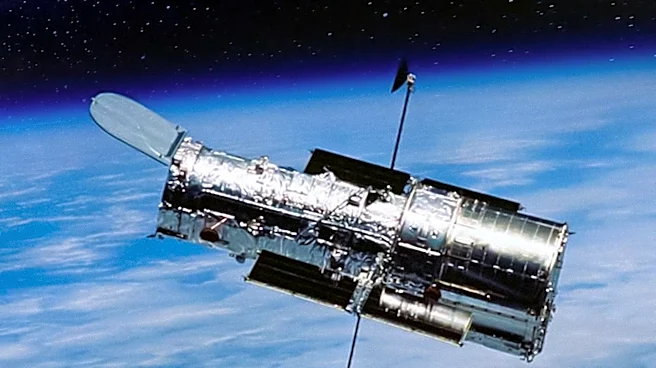
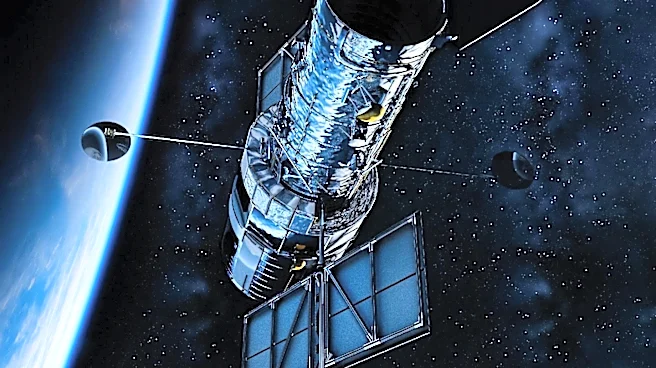
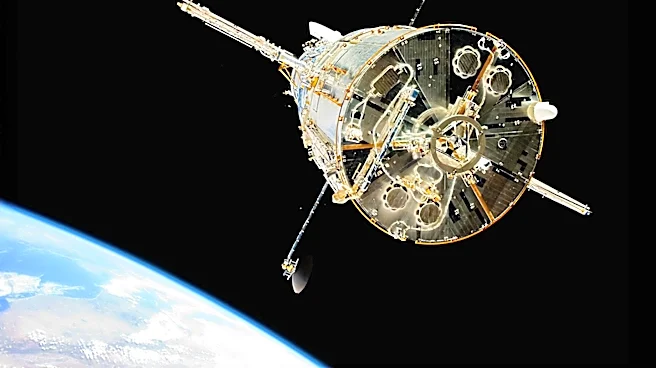
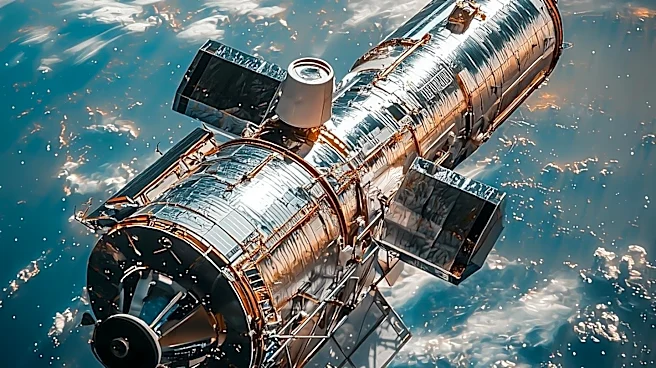
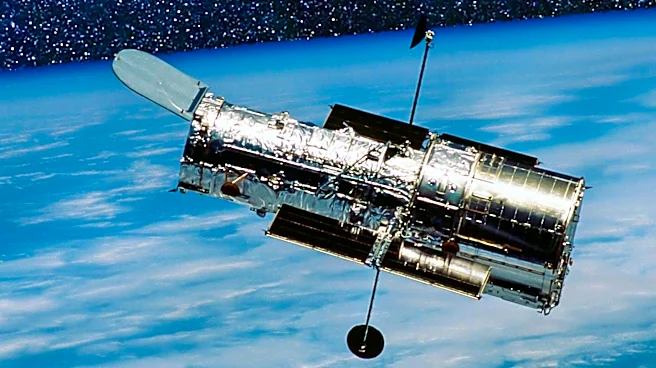
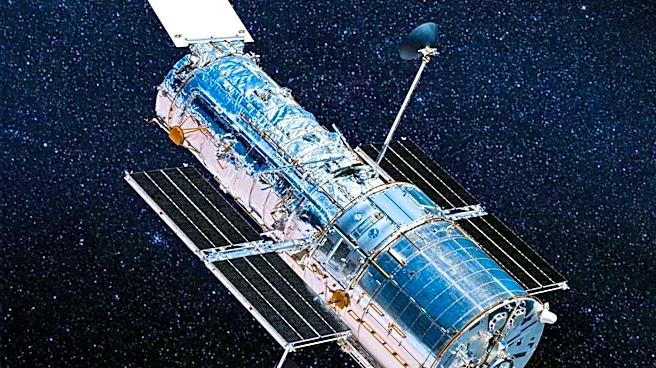
NASA has issued a Request for Information (RFI) to gauge commercial industry capabilities for in-space servicing of the Hubble Space Telescope. The RFI, released on October 29, seeks proposals for missions that could extend Hubble's operational life,
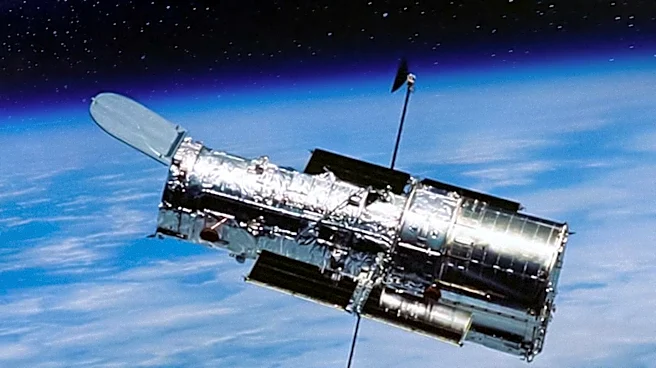
enhance its capabilities, or manage its eventual de-orbit. NASA Administrator Jared Isaacman emphasized the importance of exploring cost-effective ways to prolong the life of the valuable asset. Hubble, which has been operating for over three decades, is gradually losing altitude due to atmospheric drag and lacks a propulsion system to maintain its orbit. Current analysis predicts Hubble's re-entry into Earth's atmosphere between 2033 and 2034, necessitating a potential servicing mission by 2032. The RFI will remain open for responses until November 30, 3 p.m. EST. Nicky Fox, associate administrator for the Science Mission Directorate, highlighted the rapid evolution of commercial in-space satellite servicing capabilities as a key reason for exploring these options.
Why It's Important?
The Hubble Space Telescope is a national icon that has fundamentally transformed humanity's understanding of the universe through its groundbreaking discoveries over 35 years. Extending its operational life would allow for more scientific breakthroughs, further expanding knowledge in astronomy and astrophysics. This initiative reflects NASA's commitment to maximizing the return on investment for taxpayer dollars and the scientific community. By exploring commercial servicing options, NASA aims to leverage advancements in private industry for satellite capture and servicing, potentially offering innovative and cost-effective solutions. The potential for a commercial mission to boost Hubble to a higher orbit could significantly delay its atmospheric re-entry, providing more years of valuable data collection. This approach also aligns with NASA's broader strategy of fostering a robust commercial space economy, where private companies play an increasing role in supporting government space assets.
What's Next?
The Request for Information will remain open until November 30, allowing commercial entities to submit their proposals and demonstrate their capabilities for Hubble servicing. Following the RFI period, NASA will evaluate the submitted information to understand the feasibility, cost-effectiveness, and technical readiness of potential commercial missions. This evaluation will inform NASA's decision on whether to pursue a partnership for a Hubble servicing mission. If a viable commercial option is identified, NASA would then proceed with further planning, potentially leading to a formal procurement process. Any mission would need to be executed by 2032 to effectively extend Hubble's operational life before its anticipated re-entry timeframe of 2033-2034. The agency will continue to manage Hubble's current operations while exploring these future possibilities.
Beyond the Headlines
The exploration of commercial servicing for Hubble signifies a growing trend in space operations: the increasing reliance on private industry for complex in-orbit tasks. This shift could revolutionize how space assets are maintained and extended, moving beyond traditional government-led servicing missions. It also raises questions about the long-term sustainability of space infrastructure and the potential for a robust in-space economy focused on repair, refueling, and repositioning satellites. Ethically, extending the life of a scientific instrument like Hubble allows for continued scientific discovery, which benefits all of humanity. However, it also involves considerations of orbital debris mitigation, as any servicing mission must ensure the safe operation and eventual disposal of the telescope. The success of such a commercial venture could set a precedent for future collaborations between government space agencies and private companies in maintaining critical space assets.